If you are selling a historic home in Montlake, you are not just putting square footage on the market. You are presenting a property with architectural character, neighborhood context, and a paper trail that buyers will likely study closely. With the right prep, pricing, and timing, you can reduce surprises and position your home more effectively. Let’s dive in.
Why Montlake history affects your sale
Montlake is a roughly 50-block National Register historic district bordered by the Lake Washington Ship Canal, Interlaken Park, 15th Ave. E., and the Washington Park Arboretum. According to the Montlake Historic District nomination, the district’s period of significance runs from 1904 to 1959, and more than 85% of its buildings were built before 1940.
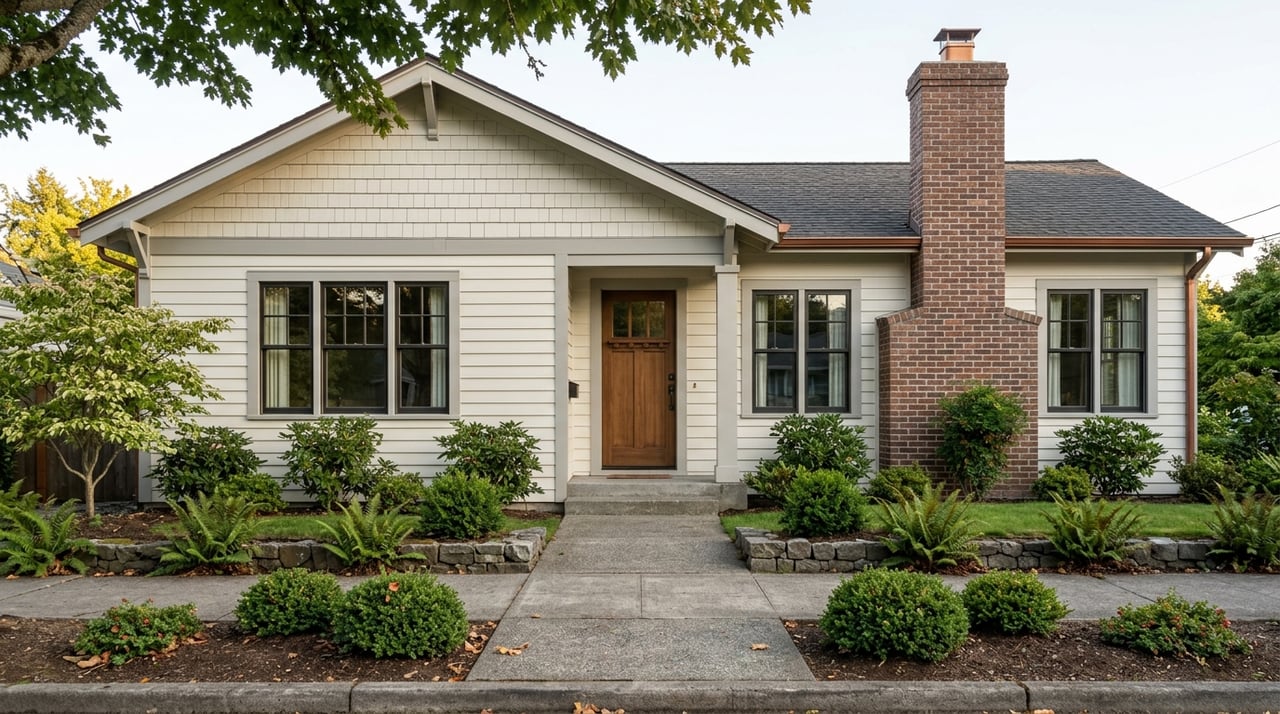
That matters because buyers often evaluate a Montlake home differently than they would a newer property. Original millwork, built-ins, period windows, rooflines, and other architectural details may carry real weight in how the home is perceived. In many cases, historic integrity and condition matter as much as size or recent cosmetic updates.
Know what designation means
One of the first questions buyers ask is whether historic status limits what they can do with the property. The answer depends on the type of designation.
As the Washington State Department of Archaeology & Historic Preservation explains, National Register listing by itself does not restrict a private owner’s normal use or sale of the property. However, federally funded, licensed, or permitted work can trigger review.
That is different from Seattle’s local landmark and preservation system. The city notes in its historic preservation FAQ that local landmark controls and preservation-district rules can require approvals for certain exterior changes. If your property has any local preservation overlay, buyers will want clear information early.
Start prep earlier than usual
Historic homes usually need a longer runway before listing. Zillow’s 2026 timing analysis says many sellers begin preparing three to four months before going live, and that timeline makes sense in Montlake where older homes tend to raise more buyer questions.
Your goal is simple: remove uncertainty wherever you can. That means organizing records, reviewing condition, and addressing issues that could slow negotiations or trigger concern during escrow.
Gather your paperwork first
Before you think about photos or launch dates, collect the documents a careful buyer is likely to request. Seattle’s preservation materials note that nomination files and preservation records can contain useful historical information, and they also explain that tax-related preservation programs may require continued compliance in some cases.
A strong seller file may include:
- Permit history
- Repair and maintenance records
- Prior preservation approvals, if applicable
- Any studies, notices, or documentation tied to the property
- Information related to past rehabilitation work
Having these materials ready helps you answer questions quickly and consistently. It also supports a smoother transaction when buyers and inspectors start digging into the home’s history.
Plan for disclosures early
Washington law requires a completed Seller Disclosure Statement under RCW 64.06.020 for most improved residential property unless an exemption applies or the buyer waives it. The law states that the form must be delivered no later than five business days after mutual acceptance unless the parties agree otherwise, and the buyer generally has three business days to rescind after receiving it.
For a Montlake seller, the practical takeaway is to start early rather than scramble later. Form 17 asks about issues such as easements, boundary disputes, zoning violations, notices, studies, and unusual restrictions. Older properties often come with more history, so it helps to review these topics well before you list.
Address lead paint requirements
Because many Montlake homes were built before 1978, lead-based paint disclosure is often part of the sale. The EPA’s lead disclosure guidance says sellers of most pre-1978 homes must provide the lead hazard pamphlet, disclose known lead-based paint or hazards, share available reports and records, include the required warning statement, and allow a 10-day inspection or risk-assessment opportunity unless the parties agree otherwise.
This should be part of your pre-list checklist, not an afterthought. When buyers see that disclosures are complete and organized, the home often feels better managed overall.
Use inspections to reduce risk
The instructions tied to Washington’s seller disclosure law specifically recommend consulting qualified experts such as architects, engineers, plumbers, electricians, roofers, building inspectors, and structural-pest inspectors when needed. For an older house, that is a practical roadmap.
A pre-list inspection can help you identify issues before a buyer does. Depending on the property, targeted follow-up by specialists may also make sense if there are concerns about systems, structure, roofing, or other age-related items. The point is not to make an old home feel new. It is to make its condition understandable.
Price with precision, not nostalgia
Montlake remains a high-value neighborhood, but pricing data can vary depending on the source and measurement. According to Redfin’s Montlake housing market page, the February 2026 median sale price was $1.485 million, with 101 median days on market and 8 homes sold. Zillow’s March 31, 2026 Montlake page reported a typical home value of $1.435 million and 8 homes for sale.
The spread in market numbers is exactly why pricing discipline matters. A historic home should not be priced on charm alone, and it should not be reduced to basic price-per-square-foot math either. The right strategy weighs condition, documentation, architectural integrity, and current competition.
In Montlake, buyers may pay attention to details that feel secondary elsewhere. Well-preserved features, visible care, and a coherent ownership story can strengthen value perception. That is where a data-driven pricing approach becomes especially important.
Market the home’s story clearly
For a character home, presentation is not just about beauty. It is about clarity.
Zillow’s seller guidance highlights the importance of a strong online marketing plan, including high-quality visuals and interactive floor plans. In Montlake, that often means professional photography, thoughtful room-by-room presentation, and marketing that explains both the home’s architectural features and its current condition.
The best positioning usually avoids vague language like “old-world charm” without substance. Instead, focus on specific, verifiable strengths such as:
- Preserved original details
- Documented updates and repairs
- Clear floor plan flow
- Well-maintained exterior features
- Organized property records for buyer review
When buyers understand what is original, what has been updated, and what documentation is available, they can make decisions with more confidence.
Time your launch for spring strength
Timing can make a meaningful difference in Seattle. Zillow’s 2026 market timing analysis says the best listing window for Seattle is the first half of April, with an estimated 2.9% premium for the metro. The same analysis notes that spring is the classic buyer season and that Thursday has historically been the best day to list.
For Montlake, spring timing may be especially helpful because the neighborhood’s appeal is tied not only to the house itself, but also to its setting and streetscape. Mature landscaping, natural light, and the broader historic context tend to show well in that season.
Still, the best week to list is only useful if the house is actually ready. If records are incomplete or repairs are unfinished, rushing to market can undercut the very premium you are trying to capture.
Be ready for buyer questions
Historic-home buyers are often thoughtful and detail-oriented. They may ask more follow-up questions than buyers of newer homes, and that is not necessarily a negative. It often signals serious interest.
Common questions include:
- Is the home only in the National Register district, or does it also have local landmark controls?
- Are there any preservation approvals, agreements, or review requirements tied to the property?
- Has the home received any tax-related preservation incentive that a new owner would need to continue?
- Are there known lead-based paint records or reports?
- What major systems or components have been repaired or replaced?
Seattle’s preservation incentives page notes that certain landmark owners and, in some cases, contributing buildings in National Register or local historic districts may qualify for special tax valuation after approved rehabilitation. The city also states that if the valuation is to remain in effect, a new owner must sign the agreement. If this applies to your property, it should be explained clearly during the listing process.
Build a sale plan around confidence
Selling a historic home in Montlake is usually not about moving fastest. It is about preparing thoroughly, pricing carefully, and presenting the property with facts that support buyer confidence.
That approach fits this neighborhood well. Montlake’s housing stock is older, architecturally distinct, and often highly intact. When you combine organized disclosures, strong presentation, and smart timing, you are more likely to attract buyers who understand the home and are prepared to value it appropriately.
If you are thinking about selling and want a measured, data-driven plan for your Montlake home, Brad Hinckley can help you evaluate timing, pricing, and pre-list strategy with a hands-on approach tailored to Seattle’s in-city neighborhoods.
FAQs
What does National Register status mean for a Montlake home sale?
- National Register listing alone does not restrict a private owner’s normal use or sale of the property, though federally funded, licensed, or permitted work can trigger review.
What disclosures matter when selling a historic home in Montlake?
- For many sellers, the key items include Washington Form 17 seller disclosures, any known easements or notices, and lead-based paint disclosures for most pre-1978 homes.
Should you get a pre-list inspection for a Montlake historic house?
- A pre-list inspection can be a practical way to identify issues early, reduce surprises, and help buyers better understand the home’s condition.
When is the best time to list a Montlake home in Seattle?
- Zillow’s 2026 analysis identifies the first half of April as Seattle’s best listing window, with spring generally being the strongest selling season.
Can preservation incentives affect a historic home sale in Seattle?
- Yes, in some cases. Seattle notes that certain properties may qualify for preservation-related incentives, and a new owner may need to sign an agreement for a special tax valuation to remain in effect.