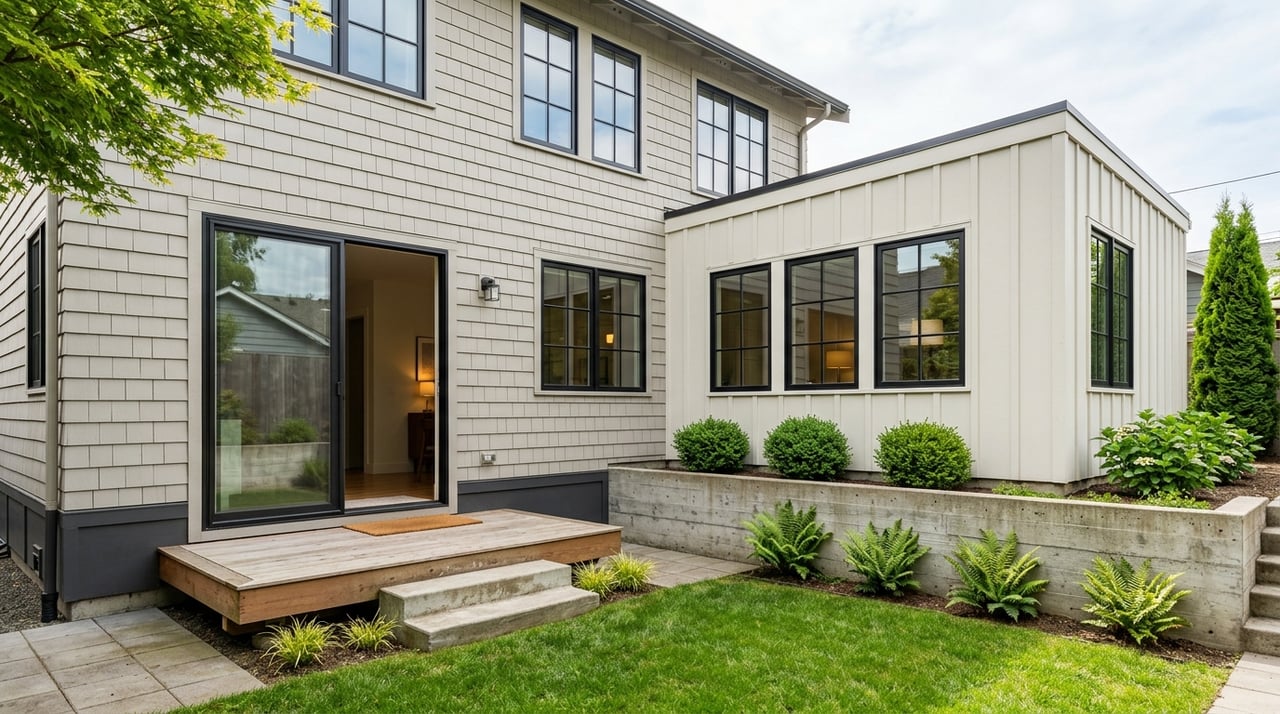
If you are moving up from a condo, townhome, or smaller house, Ravenna is one of those Seattle neighborhoods that can feel both exciting and hard to decode. Prices are firmly in premium territory, inventory is tight, and many homes come with the charm and quirks of early 20th-century construction. The good news is that Ravenna can offer a practical next step into detached living, more space, and long-term ownership appeal. Let’s dive in.
Why Ravenna draws move-up buyers
Ravenna sits in a premium pocket of north Seattle, but it is not priced like the city’s most expensive single-family enclaves. Redfin’s March 2026 data put Ravenna’s median sale price at $1.105 million, which is above Seattle’s citywide median of $865,000. That tells you right away that you are shopping in a neighborhood where buyers are paying for location, character, and limited supply.
For many move-up buyers, that premium still feels achievable compared with nearby top-tier options. Recent sold-price comparisons show Ravenna above Bryant, Green Lake, and Roosevelt, but still well below Laurelhurst and somewhat below Montlake. In practical terms, Ravenna often lands in a middle lane where you can stretch into a detached home without immediately jumping into the highest price bracket in north Seattle.
What the Ravenna market feels like today
Ravenna is a very competitive market. Redfin reports homes selling in about 5 days, and many receive multiple offers. Realtor.com also showed lean active inventory in the low-to-mid 20s, with a median listing price around $1.225 million and a sales-to-list ratio of 100%.
That combination matters if you are moving up. You may be selling one home while trying to buy another in a neighborhood where good listings do not sit around for long. In Ravenna, timing, pricing discipline, and offer strategy usually matter as much as your wish list.
What you can expect from Ravenna homes
A big part of Ravenna’s appeal is its established housing stock. King County Assessor Area 44 reports that the typical house in the area was built between 1900 and 1939, with average lots around 4,700 square feet and about 2,000 square feet of finished living area. Some subareas trend closer to 1915 build dates and around 2,040 square feet, while others are mostly 1920s homes averaging about 2,160 square feet.
That means Ravenna is not a neighborhood of uniformly oversized lots or mostly newer construction. Instead, you are often looking at older homes with mature neighborhood fabric, modest but usable yards, and floor plans that may have evolved over time. Near the Roosevelt light-rail area, density increases and lot sizes can be closer to 4,000 square feet, with a mix that includes duplex, triplex, fourplex, and mixed-use development.
The Ravenna-Cowen North historic district adds more context. The City of Seattle notes that this district includes 443 homes, with most built before the early 1930s. Dominant styles include Craftsman, Tudor Revival, and Colonial Revival, which helps explain why Ravenna often feels more like an update-and-stay neighborhood than a brand-new-construction market.
Why older homes can work well for move-up buyers
For a move-up buyer, older housing stock is not just a compromise. In Ravenna, it is often the point. Many buyers are looking for detached living, more bedrooms, a lower level, or a yard, and they are comfortable trading brand-new finishes for a home with established character and a layout that can evolve.
Based on the current listing mix and the neighborhood’s housing age, a common pattern appears to be the classic older shell with modern interior approach. That often means updated kitchens, refreshed bathrooms, improved floor plans, finished lower levels, and in some cases additions or rebuilds on stronger lots. This is not a formal statistic, but it fits the age of the housing stock and what active inventory suggests.
Ravenna price bands for move-up buyers
One of the most useful ways to look at Ravenna is through price bands. Current active listings suggest a fairly clear move-up ladder, which can help you decide what is realistic before you start touring homes.
Around the low $1 millions
At roughly $1.145 million, active inventory has included a 3-bedroom, 2.5-bath home with about 1,651 square feet. For many buyers moving up from a condo or townhome, this is the entry point where Ravenna starts to deliver detached living, a small yard, and a more flexible daily setup.
This range can be especially appealing if your goal is not maximum square footage, but a meaningful lifestyle upgrade. You may gain privacy, storage, outdoor space, and room to grow without pushing into the neighborhood’s highest pricing tiers.
Roughly $1.27 million to $1.35 million
This range often looks like the neighborhood sweet spot for many move-up households. Current listings in this band include 3- to 4-bedroom homes around 1,880 to 2,160 square feet.
If you need space for a home office, guests, hobbies, or a changing household setup, this price band may offer the most balanced option. It tends to line up with what many buyers picture when they say they want a classic Ravenna single-family home with enough room to stay awhile.
About $1.75 million to $2.35 million and up
At the higher end, Ravenna inventory has included larger homes around 2,580 to 3,000 square feet. This is where you may see significantly more living space, more extensive renovations, or stronger lot positions.
For some move-up buyers, this range becomes relevant if you are selling an already valuable Seattle home and want a more turnkey result. For others, it serves as a useful ceiling that helps define where Ravenna remains more attainable than neighborhoods like Laurelhurst.
How Ravenna compares with nearby options
If you are still deciding where to focus, Ravenna makes more sense when you compare it with nearby neighborhoods. Recent sold data put Bryant at $927,500, Green Lake at $925,000, and Roosevelt at $946,500, while Ravenna sits higher at $1.105 million. At the same time, Montlake is around $1.256 million, and Laurelhurst is much higher at $2.675 million.
This comparison helps frame Ravenna’s role in a move-up search. It is not the cheapest path to a detached home in north Seattle, but it can feel more attainable than the most expensive prestige markets. For buyers who want a more established streetscape, older architecture, and durable demand, Ravenna often lands in a compelling middle ground.
The long-term ownership case for Ravenna
Move-up buyers usually are not just buying for the next two years. You are often trying to find a home and neighborhood that can support your life for a longer stretch. Ravenna’s market profile suggests that kind of ownership appeal.
Realtor.com reports a 32.43% increase in median sale price over three years, even though year-over-year prices softened slightly in the latest Redfin snapshot. That does not guarantee future performance, but it does point to a neighborhood that has rewarded owners over time.
Seattle’s Ravenna/Bryant neighborhood snapshot adds more context. The area is connected to Ravenna Park, the University of Washington and U Village corridor, and the city’s light-rail network through nearby University District and Roosevelt stations. King County’s assessor report also notes that the housing stock is largely residential, with more limited zoning change pressure than more transit-intensified corridors.
Taken together, Ravenna reads as an established, supply-constrained owner market with persistent demand. For move-up buyers, that can be a meaningful advantage when you are thinking about resale flexibility as well as day-to-day living.
What to watch before you buy
Ravenna can be a strong fit, but it is worth going in with a clear lens. Older homes can vary widely in condition, layout, and level of renovation. Two homes with similar bedroom counts may live very differently once you factor in ceiling heights, lower-level finish, storage, or how updated the systems and interiors feel.
It also helps to think carefully about your real budget range, not just your target purchase price. In a fast market, you may need room to compete if a well-positioned listing draws multiple offers. That is why many move-up buyers benefit from a strategy that combines neighborhood-level pricing knowledge with a realistic understanding of what trade-offs each price band brings.
How to approach a Ravenna move-up search
A smart Ravenna search usually starts with clarity. Before you tour homes, it helps to define what “moving up” actually means for you.
Ask yourself:
- Do you need more bedrooms, or just more flexible space?
- Is a small yard enough, or do you want more outdoor use?
- Are you comfortable with an older home if the interior is updated?
- Would you rather buy smaller in Ravenna or larger in a nearby neighborhood?
- How much renovation tolerance do you really have?
Once those answers are clear, your search becomes much more efficient. In a neighborhood where inventory is limited and homes move quickly, focus tends to beat volume.
Why local pricing guidance matters here
Ravenna is the kind of neighborhood where broad Seattle averages only get you so far. The pricing spread between a smaller updated home, a partially improved classic house, and a larger renovated property can be substantial. Lot size, block feel, and proximity to more dense corridors can all affect value.
That is where data-driven guidance matters. If you are trying to move up without overreaching, you need more than a list of active homes. You need a grounded sense of which listings are priced to attract competition, which homes represent strong long-term fit, and where a disciplined offer can still make sense.
If you are weighing a move into Ravenna or comparing it with other north Seattle options, Brad Hinckley offers calm, analytical guidance on pricing strategy, neighborhood fit, negotiation, and transaction management. You can request an instant home valuation or schedule a market strategy consultation to plan your next move with more clarity.
FAQs
What price range should move-up buyers expect for Ravenna single-family homes?
- Current active listings suggest an entry point around $1.145 million, a common sweet spot around $1.27 million to $1.35 million, and larger homes from roughly $1.75 million to $2.35 million or more.
How competitive is the Ravenna single-family home market?
- Redfin describes Ravenna as very competitive, with homes selling in about 5 days and many receiving multiple offers.
What kinds of houses are common in Ravenna?
- Much of Ravenna’s housing stock dates from 1900 to 1939, with many Craftsman, Tudor Revival, and Colonial Revival homes and average finished living area around 2,000 square feet.
How does Ravenna compare with Bryant, Green Lake, and Roosevelt for move-up buyers?
- Ravenna is generally pricier than Bryant, Green Lake, and Roosevelt on recent sold data, but it remains more attainable than Laurelhurst and somewhat below Montlake.
Why do move-up buyers consider Ravenna for long-term ownership?
- Ravenna combines limited supply, established single-family housing, access to parks and nearby light rail, and a strong three-year median sale price increase of 32.43%, all of which support its long-term ownership appeal.