Wondering what daily life in Magnolia really feels like before you move or make your next Seattle move? This neighborhood has a reputation for being close to the city while still feeling quieter, greener, and more self-contained than many in-city areas. If you want a clearer picture of the parks, local shops, housing feel, and commute patterns, this guide will walk you through the basics so you can decide whether Magnolia fits the way you live. Let’s dive in.
Magnolia Feels Residential First
Magnolia sits northwest of downtown Seattle, but its day-to-day rhythm is not defined by dense commercial streets or constant activity. King County describes the area as primarily single-family residential-zoned, with limited retail and commercial use. That helps explain why the neighborhood often feels more suburban and small-community-like than you might expect this close to downtown.
That character also comes from Magnolia’s physical layout. King County notes larger lots, a compact village center, and limited access in and out of the neighborhood. In practical terms, you get a quieter, more residential setting where parks, homes, and neighborhood routines shape daily life more than big retail corridors do.
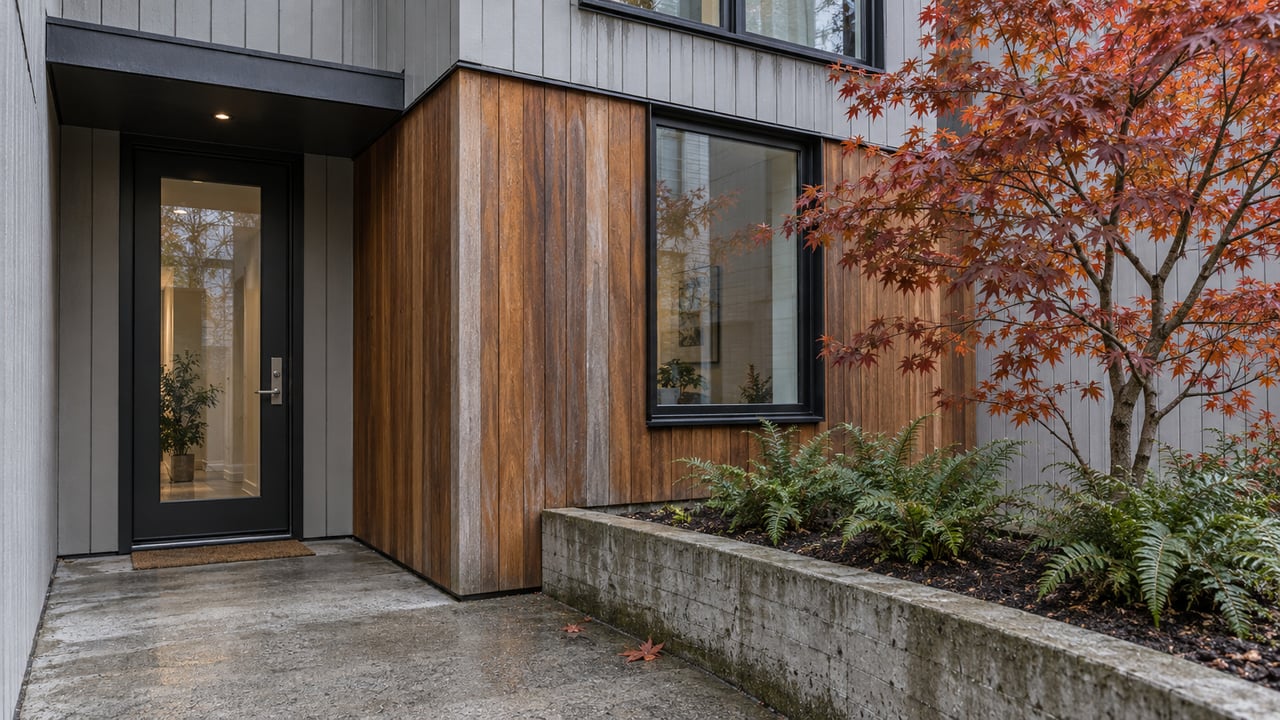
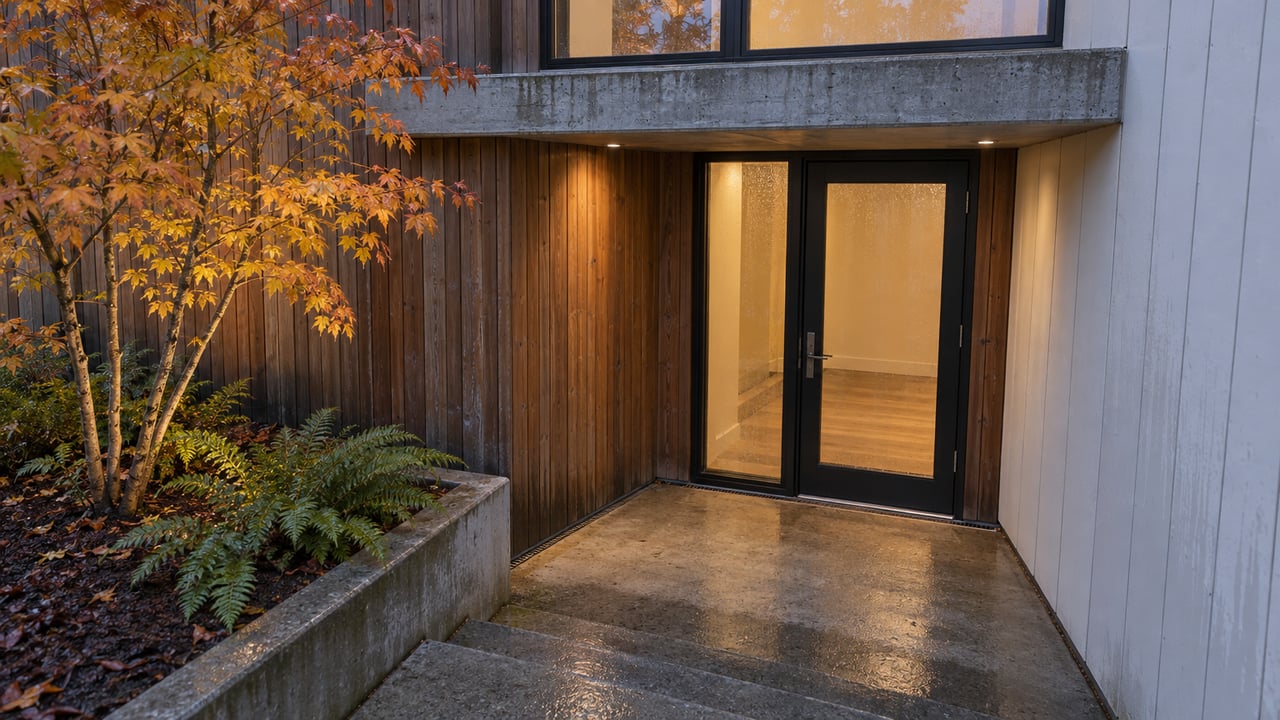
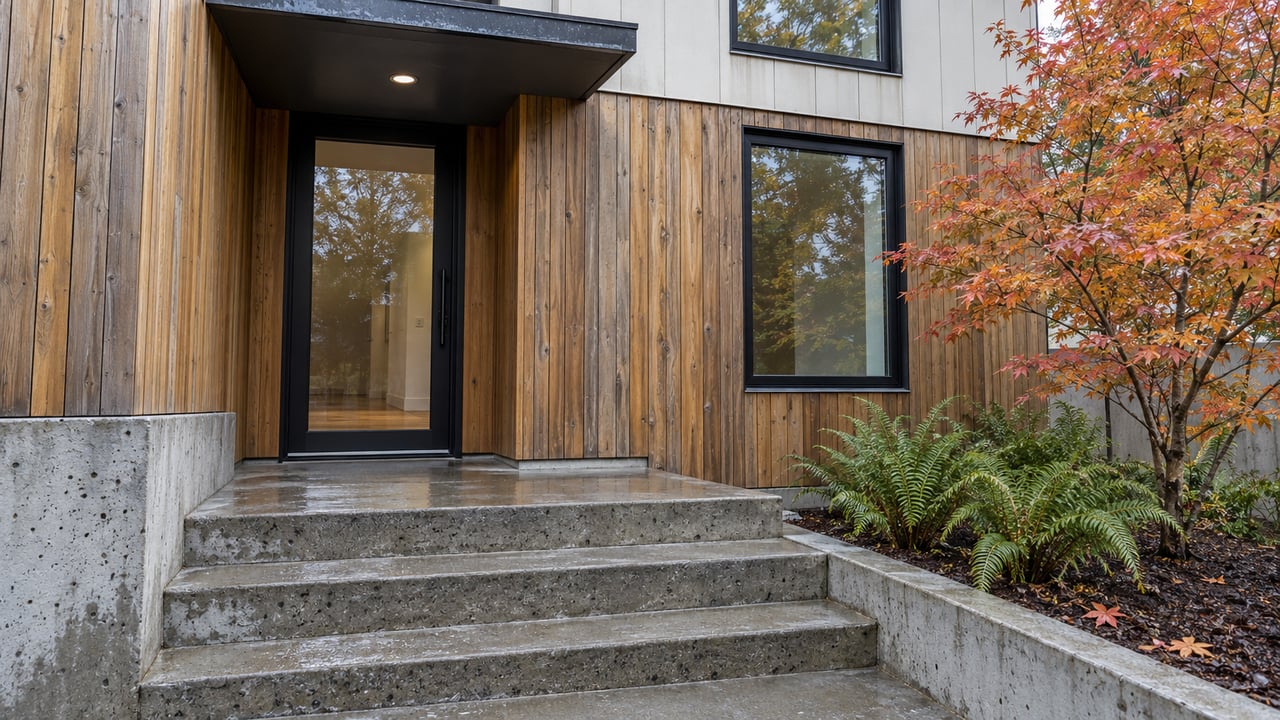
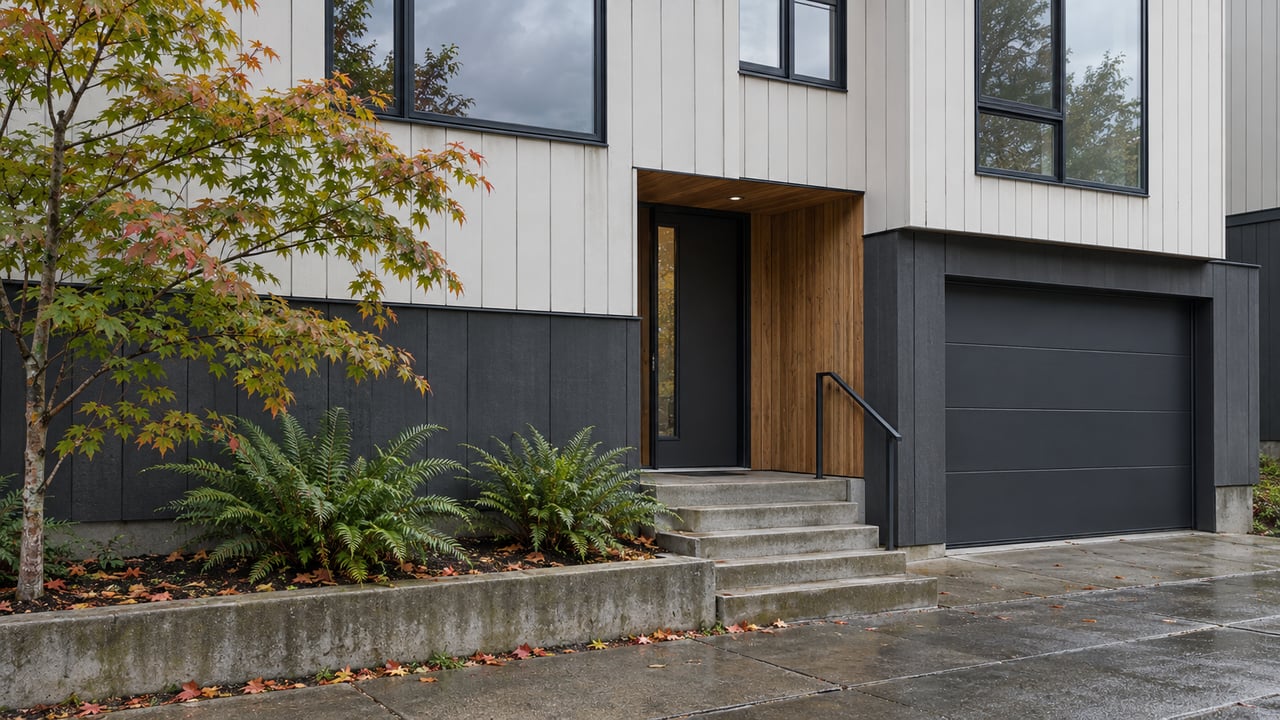
The housing mix reinforces that feel. Much of Magnolia’s housing stock dates to the late 1940s and 1950s, though King County also notes meaningful newer construction since 2000, along with some townhouse and condominium development. If you are comparing Seattle neighborhoods, Magnolia tends to stand out as a low-density, view-oriented area with a calmer, more contained feel.
Parks Shape Everyday Life
If you spend a lot of time outdoors, Magnolia’s park access is one of its biggest lifestyle advantages. The neighborhood is anchored by Discovery Park, which Seattle Parks describes as Seattle’s largest park and a more than 530-acre natural area. With bluffs, beaches, forests, meadows, and wide views, it is more than a nice amenity. It is part of how many people structure their week.
For some residents, that means morning walks or trail runs. For others, it means weekend picnics, dog outings, or simply having a large natural space close to home when you want a break from busier parts of the city. In Magnolia, outdoor time is not something you always have to plan far in advance.
Discovery Park Is The Anchor
Discovery Park gives Magnolia a strong sense of place. It is the kind of park that can support different routines depending on your schedule and interests. You might use it for a quick walk before work, a longer weekend outing, or a scenic reset after a busy day.
Because it is such a large and varied natural area, it also adds to Magnolia’s quieter identity. The neighborhood does not just have a park nearby. It has a major open-space resource that shapes how the area feels.
Smaller Parks Add Convenience
Beyond Discovery Park, Magnolia has a useful network of neighborhood parks. Magnolia Park offers bluff-top views and picnic space, while Lawton Park provides wooded paths and neighborhood access. Kiwanis Memorial Preserve Park, located one block east of Discovery Park, adds another trail- and wildlife-focused option.
Other spaces support more structured activities. Magnolia Playfield and Magnolia Community Center help anchor sports, youth programs, and seasonal events. Magnolia Manor Park adds a smaller community-garden feel with a P-Patch.
Taken together, these spaces make it easier to build outdoor time into ordinary days. You are not relying on one single destination. You have a range of nearby options that support walking, recreation, and simple neighborhood routines.
Magnolia Village Covers The Basics
Magnolia is not built around large commercial strips, but it does have a practical local core. Discover Magnolia describes the business districts as a pedestrian-friendly mix of boutiques, stores, professional services, coffee shops, bakeries, spas, dining, and more. That mix supports the kind of repeat, everyday use many residents want close to home.
The village pattern matters. Instead of feeling like a neighborhood where you need a major cross-town trip for every small errand, Magnolia offers a compact cluster of useful stops. At the same time, it is not a nightlife-heavy area or a destination for large-format retail.
Daily Errands Stay Local
Current directory listings show the kinds of businesses that support day-to-day life in Magnolia. Grocery runs can center around Albertsons, while coffee or casual meetups might include spots like Serendipity Cafe & Lounge or Uptown Espresso. Smaller retail, including Magnolia’s Bookstore and Fil de Lin, adds to the neighborhood-serving feel.
King County also places schools, Magnolia Village businesses, and retail stores toward the southern portion of the interior neighborhood. That reinforces Magnolia Village’s role as the main commercial core. If you value convenience without wanting to live in the middle of a high-traffic retail district, this setup may appeal to you.
The Shopping Scene Is Compact
Magnolia’s commercial offer is best understood as local and practical. It is geared more toward recurring errands and familiar neighborhood spots than all-day shopping or entertainment. For many buyers, that is a plus because it supports a calmer pace and a stronger residential feel.
This also helps set expectations. If you want a neighborhood packed with major retail options and a dense restaurant scene, Magnolia may feel quieter than other parts of Seattle. If you want easy access to a handful of useful businesses in a small-community setting, it often delivers well.
Commutes Depend On Access Points
Commute planning matters in Magnolia because the neighborhood is shaped by a limited number of connections to the rest of Seattle. SDOT says there are four bridges to Magnolia, while King County’s assessor report describes the neighborhood as somewhat isolated and highlights only three access points. Either way, the larger point is the same: travel in and out can be sensitive to bridges and main arterials, especially during peak times.
That limited access is part of what helps Magnolia feel contained and residential. It is also one of the first practical details many buyers should think through. Your daily experience can vary depending on where in Magnolia you live and which route you need most often.
Transit Options Reach Key Areas
Transit gives Magnolia direct links to several major destinations. Route 24 connects Magnolia with Seattle Center and Downtown Seattle. Routes 31 and 32 connect Magnolia with Seattle Pacific University, Fremont, Wallingford, the University District, and Children’s Hospital.
That means commute patterns often break into different paths depending on where you work or study. A downtown commuter may evaluate Magnolia differently than someone who regularly heads toward Fremont or the U District. Before choosing a home here, it helps to think less in broad terms and more about your actual week.
Your Location Within Magnolia Matters
In practical terms, commute convenience is not one-size-fits-all across the neighborhood. The experience often depends on which side of Magnolia you live on and which bridge or arterial you use to get out. Two homes in the same neighborhood can feel meaningfully different when morning timing and route options are part of the equation.
This is where local guidance can make a difference. Looking at a map is useful, but understanding how neighborhood layout affects real routines can help you make a more confident decision.
Housing And Lifestyle Fit
Magnolia’s housing stock is still heavily tilted toward detached homes. King County says nearly all parcels are improved, and many homes were built in the late 1940s and 1950s. New construction often happens through teardown-and-rebuild projects or other infill, with some townhouse and condominium-style development also present.
That housing pattern supports Magnolia’s lower-density character. Compared with some more central Seattle neighborhoods, you will generally find a stronger emphasis on residential streets, a compact village center, and a smaller amount of newer infill. Many lots also have some degree of view, which adds to the neighborhood’s appeal.
For buyers, this often means Magnolia can fit several goals at once. You can be relatively close to downtown while still prioritizing outdoor access, a quieter feel, and a more self-contained neighborhood pattern. For sellers, those same traits are often central to how Magnolia homes are positioned in the market.
Why Magnolia Appeals To Many Buyers
Magnolia tends to work best for people who want balance. You are still in Seattle, but your daily environment may feel less hectic than denser urban neighborhoods. You have meaningful green space, a useful village core, and transit connections to key destinations, but you also need to be realistic about access routes and commute patterns.
That tradeoff is exactly why some buyers are drawn to the neighborhood. They are not looking for constant activity right outside the front door. They want a residential setting with strong park access and a local commercial core that handles the basics.
If that sounds like your version of city living, Magnolia may deserve a closer look. And if you are selling in Magnolia, understanding how buyers experience those same lifestyle factors can help shape pricing, positioning, and marketing.
If you are thinking about buying or selling in Magnolia, working with an advisor who understands how neighborhood feel, access, and housing stock affect value can help you make a better decision. To request an instant home valuation or schedule a market strategy consultation, connect with Brad Hinckley.
FAQs
What is daily life in Magnolia, Seattle like?
- Daily life in Magnolia tends to feel residential, quieter, and more self-contained than many in-city Seattle neighborhoods, with routines shaped by parks, Magnolia Village, and a limited number of access routes.
What parks are in Magnolia, Seattle?
- Magnolia’s park network includes Discovery Park, Magnolia Park, Lawton Park, Kiwanis Memorial Preserve Park, Magnolia Playfield, Magnolia Community Center, and Magnolia Manor Park.
What is Magnolia Village in Seattle known for?
- Magnolia Village is known as the neighborhood’s compact commercial core, with a pedestrian-friendly mix of groceries, coffee shops, boutiques, services, and other everyday businesses.
How do Magnolia, Seattle commutes work?
- Magnolia commutes are shaped by a limited number of bridges and access points, and travel times can be sensitive to route choice, peak traffic, and where you live within the neighborhood.
What transit serves Magnolia, Seattle?
- King County Metro Route 24 connects Magnolia with Seattle Center and Downtown Seattle, while Routes 31 and 32 connect Magnolia with Seattle Pacific University, Fremont, Wallingford, the University District, and Children’s Hospital.
What types of homes are common in Magnolia, Seattle?
- Magnolia is still dominated by detached homes, many built in the late 1940s and 1950s, with some newer infill, townhomes, and condominiums also present.