If you love Capitol Hill’s energy but worry it might feel too busy to call home, you are not alone. Many buyers want the restaurants, parks, and transit that make this neighborhood so popular, but they also want a block that feels a little calmer at the end of the day. The good news is that Capitol Hill has both, and knowing where to look can make your search much easier. Let’s dive in.
Why Capitol Hill Has Quiet Pockets
Capitol Hill is not one-note. Seattle’s neighborhood planning documents describe it as a dense urban neighborhood with active commercial streets, multifamily housing, and distinct residential districts.
Broadway, 15th Avenue, and Olive Way are often described as the neighborhood’s social pulse. Pike/Pine is also a major cultural and entertainment hub, with Seattle noting that it is the densest arts neighborhood in Washington and home to more than 40 arts and cultural organizations.
That busy core is exactly why the quieter edges stand out. As you move north and east, the city describes a transition toward more residential areas and diminishing density, which helps explain why some parts of Capitol Hill feel surprisingly tucked away.
East Core Feels Residential
One of the strongest examples is the East Core, especially east of Broadway. Seattle describes this area as a district of small, tightly knit lots with finely scaled houses, duplexes, and small apartment buildings.
This part of Capitol Hill often appeals to buyers who want a residential feel without giving up the neighborhood’s urban advantages. It is still clearly part of Capitol Hill, but the housing texture can feel more intimate than what you find closer to the busiest commercial corridors.
The city also notes that most of Capitol Hill’s single-family houses are found in this area. That does not make it suburban, but it does help explain why some blocks here can feel quieter and more home-focused.
What You May Notice Here
- Smaller-scale buildings
- A mix of houses, duplexes, and apartments
- Leafier streets supported by mature trees
- Quick access to Broadway without living right on top of it
West Slope Offers A Softer Pace
The West Slope gives you a different version of quiet. Seattle describes this district as predominantly three-story multifamily buildings, many with brick exteriors, with small parks scattered along Summit Avenue East and Bellevue Avenue East.
That combination can create a calmer day-to-day rhythm. You still have an urban setting, but the street pattern, residential buildings, and nearby pocket parks can make the area feel more settled.
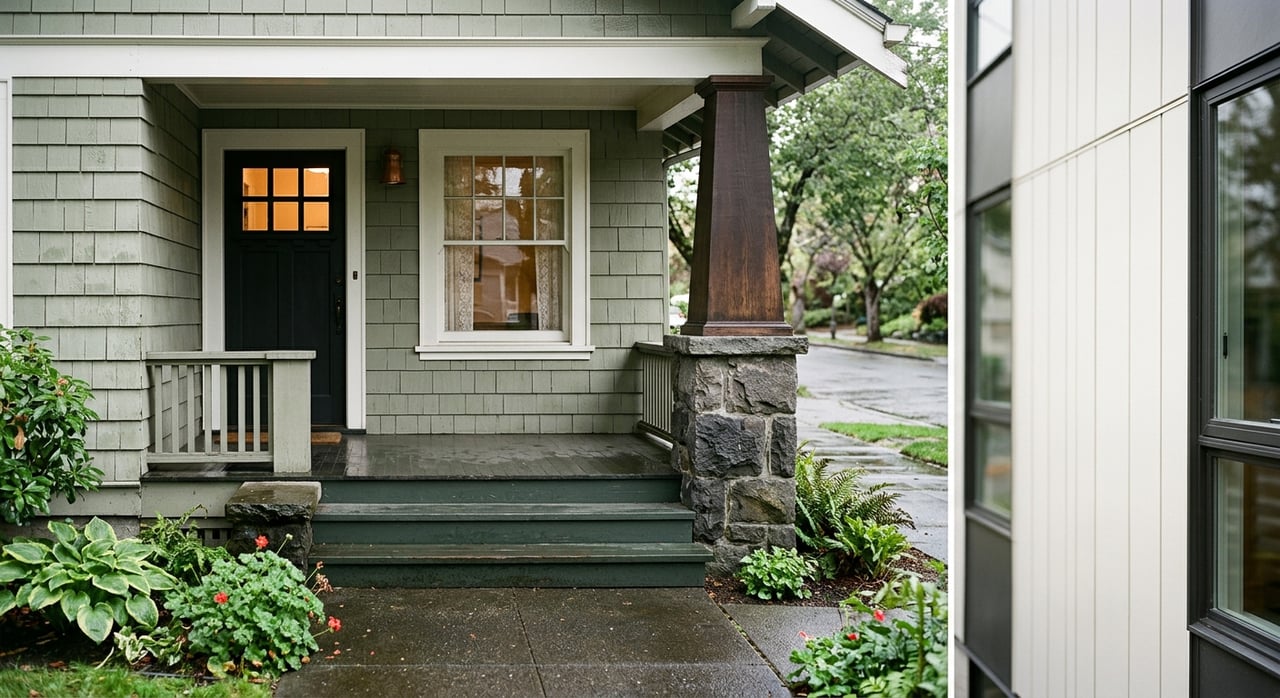
Within the West Slope, Harvard-Belmont stands out. Seattle recognizes it as a well-preserved, essentially residential neighborhood with fine early 20th-century homes, making it one of Capitol Hill’s clearest examples of quieter, established street life.
Why Buyers Like West Slope
- Residential streets with a strong historic feel
- Multifamily options alongside notable older homes
- Small parks woven into the area
- Close-in location with some separation from the busiest nightlife corridors
North Capitol Hill Leans Green
If your idea of quiet includes trees and trails, North Capitol Hill deserves a close look. The north end of the neighborhood sits near some of the area’s most wooded spaces, which gives it a different feel from the denser central sections.
Seattle Parks describes Interlaken Park as a densely wooded area on the north end of Capitol Hill, with trails used by bikers, hikers, and joggers. Nearby, St. Mark’s Greenbelt helps buffer Capitol Hill from I-5 and adds dense vegetation, wildlife habitat, and additional trails.
The neighborhood plan notes that this area is one of the few remaining wooded, sloped greenbelt areas in the city. For buyers, that means some nearby blocks can feel more secluded and nature-adjacent while still keeping you within Capitol Hill.
North-End Living At A Glance
- Access to wooded trails and greenbelt spaces
- A more buffered feel than central Capitol Hill
- Residential blocks near some of the neighborhood’s greenest edges
- Strong appeal for buyers who want calm without leaving the city
Park-Adjacent Blocks Can Feel Balanced
Some of Capitol Hill’s quieter corners are less about distance from activity and more about being near open space. Blocks near major parks and community spaces often feel easier to settle into because your daily routine has a natural outlet nearby.
Volunteer Park is one of the clearest examples. Seattle Parks describes it as a historic Olmsted park that includes the Volunteer Park Conservatory and the Seattle Asian Art Museum, making it both a green space and a civic anchor.
Broadway Hill Park offers another kind of neighborhood calm. The city describes it as a front porch and public yard for the neighborhood, with a lawn, seating, a BBQ, a community garden, landscaped planting, and natural play opportunities.
On the east side, Miller Community Center opens onto Miller Playfield and the adjacent Meany Middle School. That park-and-rec pattern can make nearby blocks feel steady and practical for everyday routines.
What Homes Look Like In These Areas
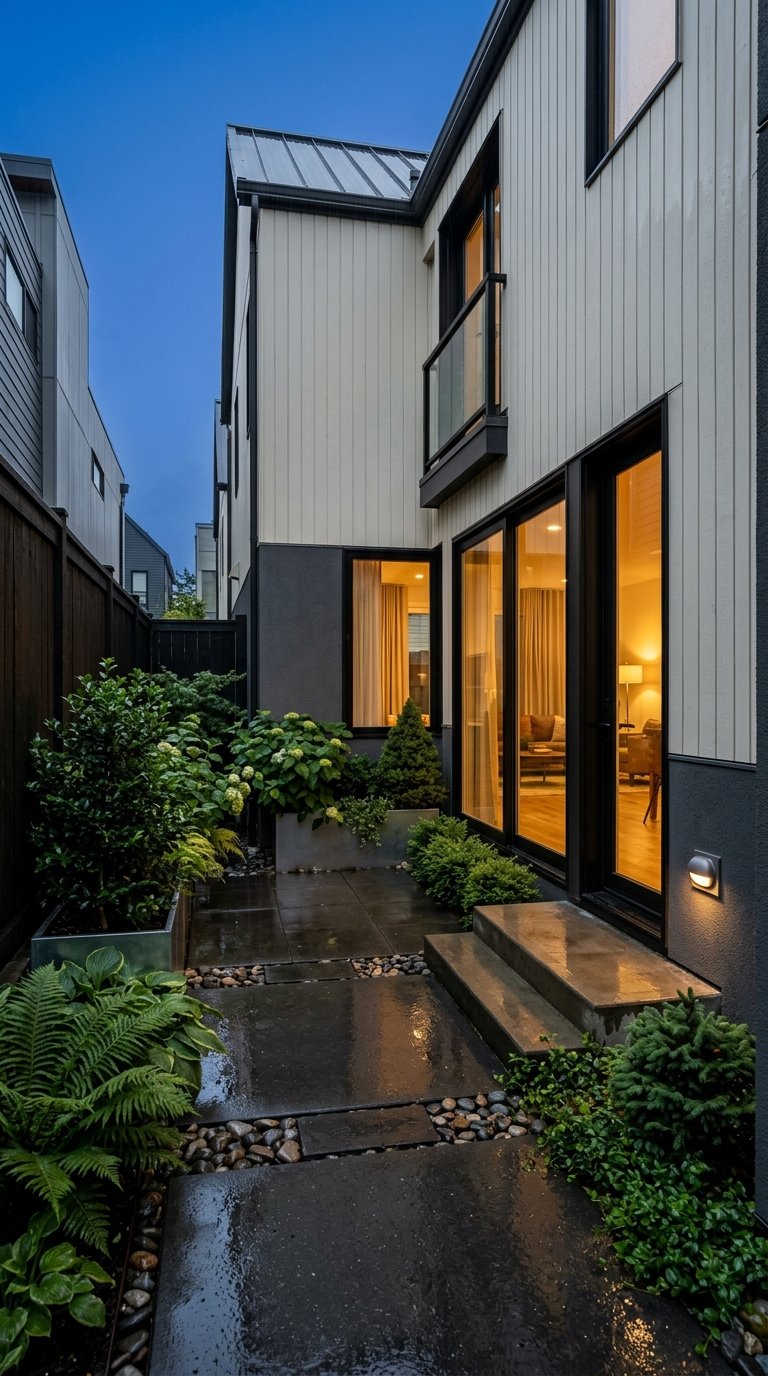
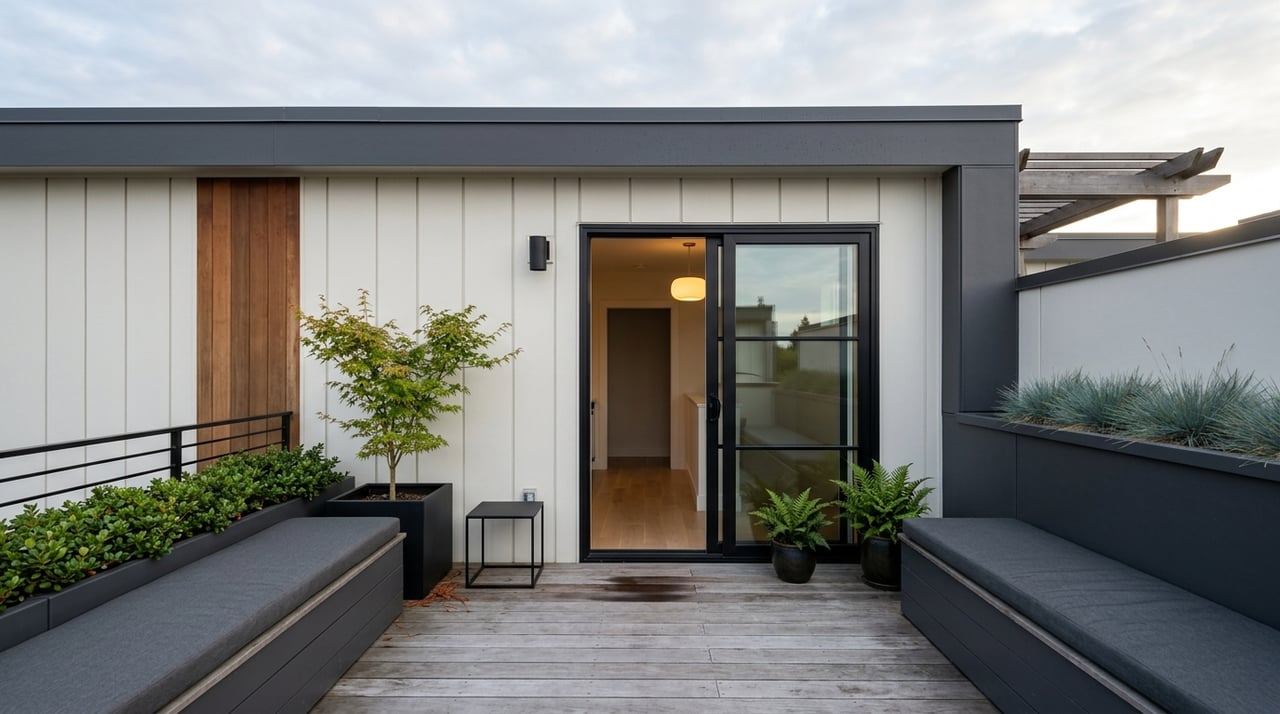
A quieter corner of Capitol Hill does not mean large suburban lots. Seattle’s design guidance is clear that this is still a dense urban neighborhood, and the housing stock reflects that.
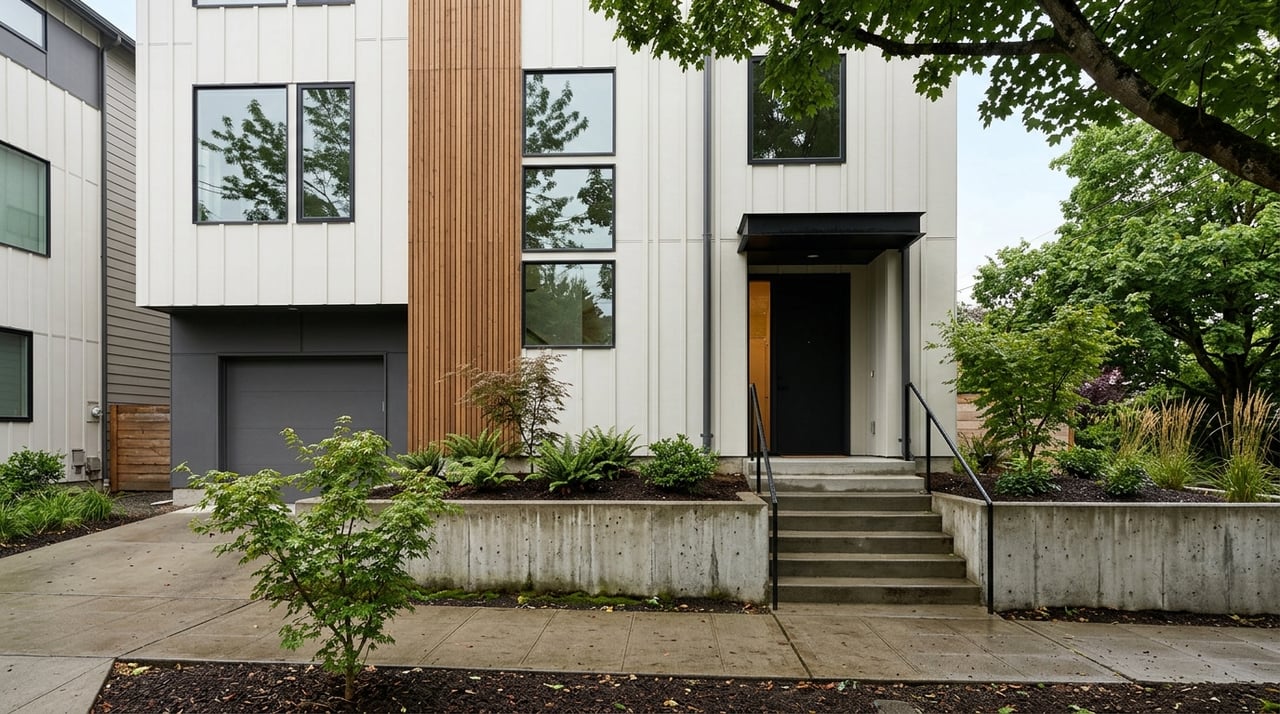
Across Capitol Hill’s residential pockets, the city points to a mix of finely scaled houses, duplexes, small apartment buildings, and three-story multifamily buildings. In Harvard-Belmont, early 20th-century homes are a particularly visible part of the streetscape.
Seattle’s guidance also emphasizes preserving mature street trees and existing housing while allowing new housing. That is part of why many quieter blocks feel leafy and layered, even within a compact urban setting.
Expect A Mix Like This
- Finely scaled detached houses
- Duplexes and small apartment buildings
- Three-story multifamily properties
- Older residential homes in select pockets like Harvard-Belmont
Quiet Does Not Mean Disconnected
One reason Capitol Hill’s quieter corners work so well is that they are not isolated. Seattle’s planning department says many residents can walk, bike, and take transit to work and other basic needs, which shapes daily life across the neighborhood.
Transit is a major part of that story. Sound Transit’s Capitol Hill Station gives you light rail access, and the First Hill Streetcar connects Capitol Hill with First Hill, Yesler Terrace, Chinatown-International District, and Pioneer Square, including a stop at Broadway & Denny.
That means you can choose a more tucked-away block without giving up convenience. For many buyers, that balance is the real draw of Capitol Hill.
Everyday Routines Matter Here
Sometimes a neighborhood feels right because of the small things you can do easily. Capitol Hill’s quieter residential pockets still connect you to simple routines that make city living feel manageable.
The Capitol Hill Farmers Market operates year-round on Sundays at E Barbara Bailey Way between Broadway and 10th Ave E. Neighborhood Farmers Markets notes that the Denny entrance at Capitol Hill Station opens right onto the market, which makes it a very easy part of a weekend routine.
Cal Anderson Park also plays an important role in neighborhood life. Seattle Parks describes it as the hub of the neighborhood and a place for walking, sitting, reading, and informal sports.
How To Think About Quiet In Capitol Hill
The key is to think in terms of pockets, not broad labels. Capitol Hill’s most residential-feeling areas are still part of a dense urban neighborhood, and the city’s planning documents make that clear.
If you want a softer landing within Capitol Hill, the strongest areas to explore are the East Core, the West Slope around Harvard-Belmont, the north-end greenbelt edge, and blocks near parks like Volunteer Park, Broadway Hill Park, and Miller. Each offers a different version of quiet.
Your best fit depends on what quiet means to you. For some buyers, it is mature trees and older homes. For others, it is being near a park, away from nightlife corridors, or having a residential block with easy transit access.
A Smart Way To Narrow Your Search
When you are comparing Capitol Hill micro-areas, it helps to evaluate both feel and function. A block may look calm during the day but connect differently to parks, commercial streets, and transit than you expect.
That is where local insight matters. Capitol Hill rewards buyers who understand its street-by-street differences, because small shifts in location can create a very different living experience.
If you are trying to find the right balance between quiet, walkability, and long-term value, working with someone who knows these micro-markets can help you move with more confidence. If you want tailored guidance on Capitol Hill or want to talk through a home search or pricing strategy, connect with Brad Hinckley.
FAQs
Which parts of Capitol Hill feel the quietest for homebuyers?
- The best-supported quieter pockets are the East Core east of Broadway, the West Slope around Harvard-Belmont, the north-end area near Interlaken Park and St. Mark’s Greenbelt, and blocks near Volunteer Park, Broadway Hill Park, and Miller.
What kinds of homes can you find in quiet Capitol Hill areas?
- Seattle describes a mix of finely scaled houses, duplexes, small apartment buildings, and three-story multifamily buildings, with early 20th-century homes especially visible in Harvard-Belmont.
Can you live in a quieter part of Capitol Hill without a car?
- Yes. Seattle says many residents can walk, bike, and take transit to work and basic needs, and the neighborhood is supported by Capitol Hill Station and the First Hill Streetcar.
Is Capitol Hill still lively if you choose a quieter block?
- Yes. The neighborhood’s active core around Broadway, 15th Avenue, Olive Way, and Pike/Pine remains close by, while residential pockets offer a calmer day-to-day feel.
Which parks add to Capitol Hill’s quieter residential feel?
- Volunteer Park, Broadway Hill Park, Miller Playfield, Interlaken Park, and St. Mark’s Greenbelt all help create calmer routines and more open space within or along the edges of Capitol Hill.