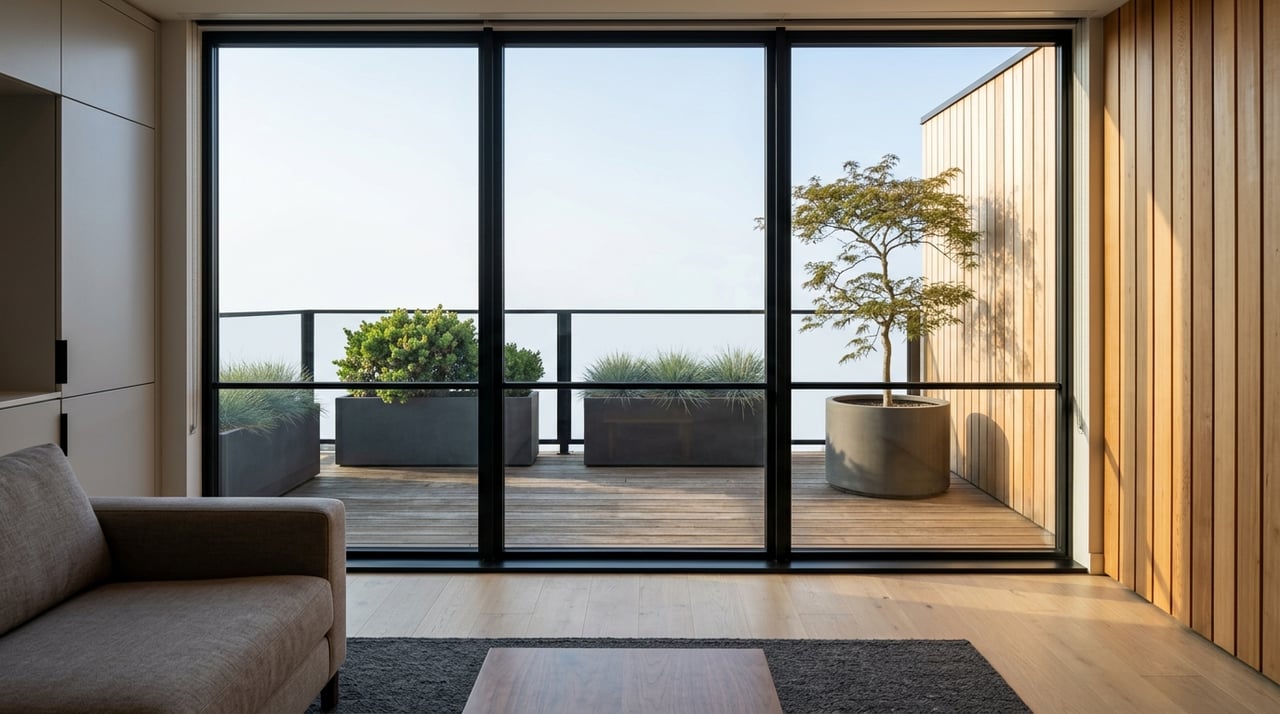
Wondering how to prepare a Queen Anne view home for market without wasting time or money on the wrong updates? If your home’s outlook is one of its biggest selling features, your prep plan needs to do more than make the house look clean. You need a strategy that helps buyers immediately understand the value of the view, both online and in person. Let’s dive in.
Why Queen Anne view homes need a different plan
Queen Anne is one of Seattle’s most distinctive hillside neighborhoods, known for steep slopes, close-in access to downtown, and broad views across the city, water, and surrounding landscape. In this setting, the view is often not just a bonus feature. It can be a central part of how buyers assess the home.
That matters even more in a market where presentation and pricing need to be precise. As of April 2026, King County’s median sales price was $859,000, inventory sat at about three months of supply, and active listings were up 23.5% year over year. In other words, even strong homes benefit from thoughtful preparation and disciplined pricing.
Start with the view corridor
Before you think about photos, staging, or launch timing, focus on what buyers will actually see from the main living spaces. Your goal is to make the sightline feel obvious and effortless. If buyers have to work to notice the view, the listing is leaving value on the table.
Start simple. Open blinds and curtains, clear window ledges, and move furniture that blocks key windows. Decks, patios, and balconies should also feel open and readable so buyers can picture how they would use those spaces.
Use selective exterior prep
With Queen Anne homes, outdoor prep should usually be selective rather than aggressive. The neighborhood’s mature trees are part of its character, and Seattle regulates pruning and removal based on location. Tree removal is not allowed simply to improve a view, and many street-tree jobs require permits through the city.
That means any significant pruning should be handled carefully and legally. In practice, a city-registered tree service is the right starting point for substantial work. A clean, framed view is helpful, but the prep process needs to respect local rules.
What to prioritize outside
- Clear clutter from decks, porches, and balconies
- Remove items that distract from the outlook
- Tidy plantings near major windows
- Evaluate whether selective pruning is appropriate and allowed
- Keep walkways, stairs, and entries clean and open
Stage for light and sightlines
Staging is especially important in a view home because buyers are evaluating both the room and what the room looks out toward. According to the National Association of Realtors’ 2025 staging report, 83% of buyers’ agents said staging makes it easier for buyers to visualize a home. The same report found that 49% of sellers’ agents said staging reduced time on market, and 29% said staging increased the dollar value offered by 1% to 10%.
For a Queen Anne seller, that supports a practical approach: keep the interior edited, bright, and calm so the view remains the hero. You want buyers to notice the living area, but you do not want the furniture, art, or accessories to compete with the skyline, water, or mountain outlook.
Smart staging moves for a view home
- Use simple furniture layouts that face toward major windows
- Limit bold décor that draws attention away from the view
- Maximize natural light by opening window coverings
- Reduce visual clutter on shelves, counters, and sills
- Keep decks and outdoor seating areas usable but minimal
Plan photography around the view story
A Queen Anne listing package should tell a clear visual story. The best photos do not just document rooms. They show how the home connects to its setting.
That usually means highlighting the main living area with the view visible, the outdoor space where the outlook reads best, and an exterior image that places the home in context. Video and virtual-tour coverage can also help buyers understand how the home flows toward the view.
Realtor.com’s photography guidance supports a clean, honest approach. Wide-angle lenses can help show space, but exaggerated distortion should be avoided. Rooms should be uncluttered, blinds and curtains should be open for natural light, and images should focus on spaces that matter most rather than close-ups of minor details.
Photos that usually matter most
- Main living room with view visible
- Dining area connected to windows or deck access
- Primary bedroom if it captures the outlook
- Deck, patio, or rooftop area
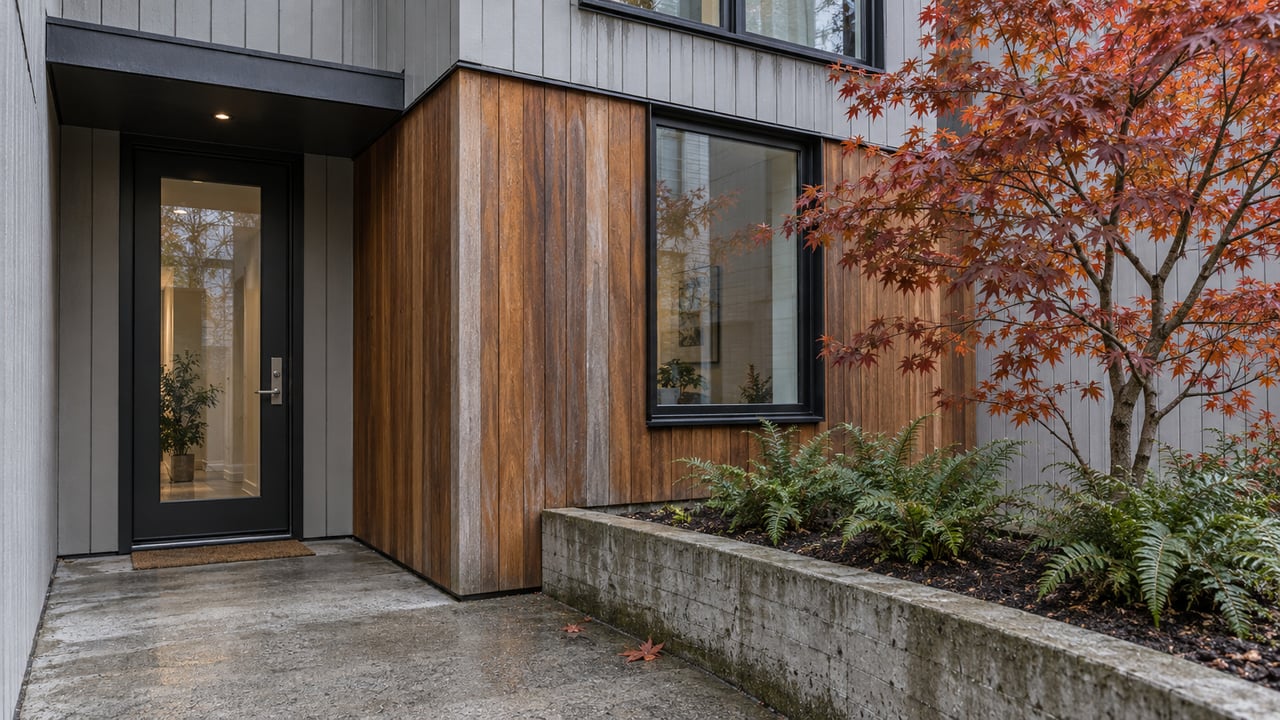
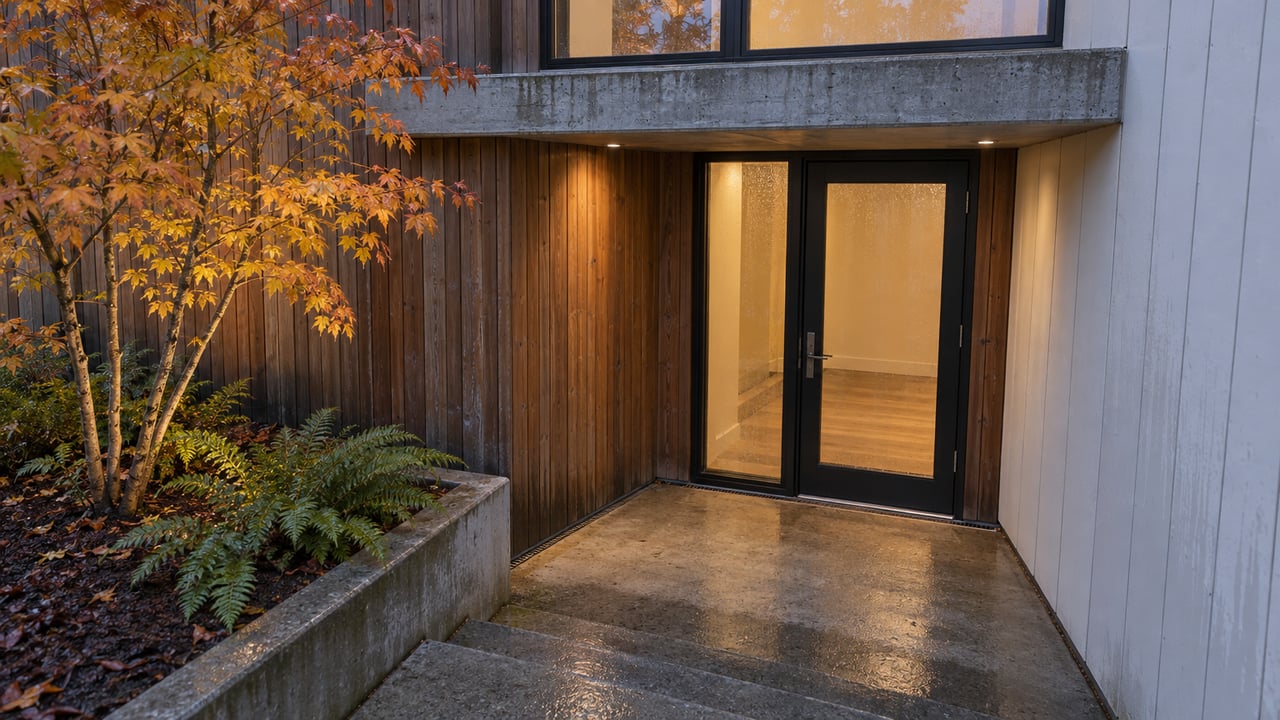
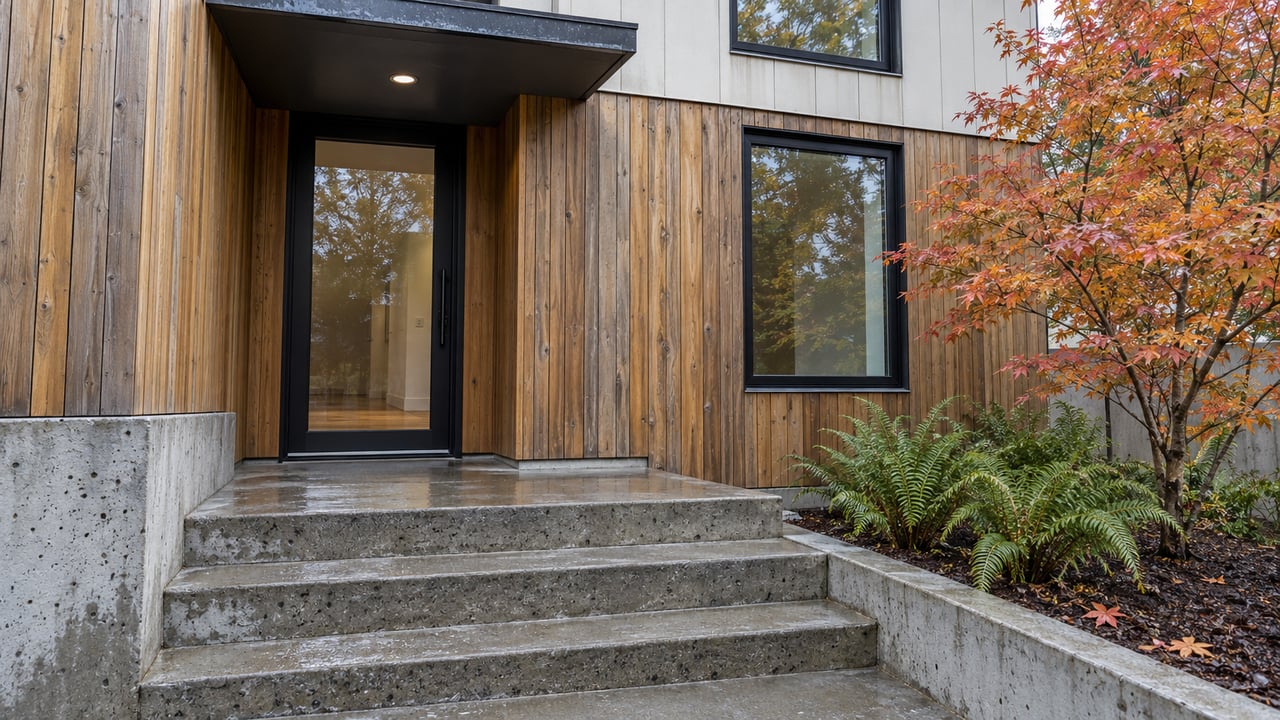
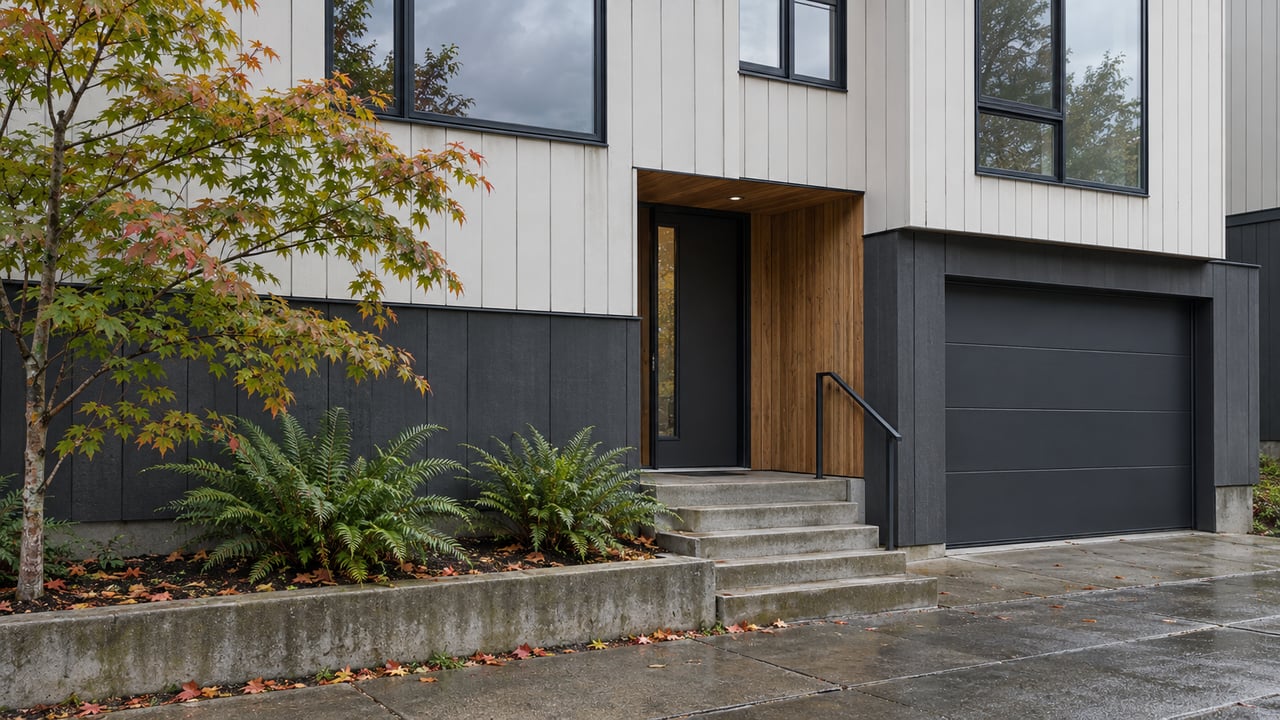
- Exterior shot showing the home’s position and setting
- Video or virtual-tour moments that reveal the panorama naturally
Photos that often add less value
- Appliance close-ups
- Tight shots of small utility areas
- Detail images that do not support the overall story
- Overly stylized angles that distort the room or the view
Time your launch with Seattle light
In Seattle, listing timing can influence how well a view home shows online. Seasonal light, weather, and foliage all affect what buyers will see in photos and video.
NOAA data for Seattle-Tacoma normals shows average precipitation of 5.78 inches in January compared with 0.60 inches in July. Seattle also has dramatically longer daylight in June than at the December solstice. That creates a real advantage for exterior media in late spring and summer, when longer days and drier conditions make photography easier.
At the same time, leafless branches in cooler months can sometimes improve long-range sightlines. If your home’s key selling point is a broad corridor view, the best media window may come before peak foliage or after leaf drop. If the landscaping itself adds appeal, summer photography may be the stronger choice.
Price the home for the actual view
One of the biggest mistakes sellers can make is pricing a Queen Anne view home from neighborhood averages alone. Not all views contribute the same value, and buyers often pay attention to how expansive, direct, or protected an outlook feels.
Research on hedonic pricing has found that more attractive or expansive views can increase sale prices. For your listing, that means the strongest pricing strategy should look closely at truly comparable view sales, not just nearby homes with a similar bedroom count or square footage.
This is where a data-forward approach matters. In a market with more active listings than a year ago, buyers have more options and more reasons to compare homes carefully. Strong pricing should reflect both the home itself and the quality of the view corridor.
A practical prep sequence
If you want to keep the process focused, follow a clear order of operations. That helps you avoid spending money in the wrong places or creating delays right before launch.
Recommended prep order
- Assess the view from key rooms and outdoor areas
- Handle any legal landscape or tree work first
- Declutter interior and exterior spaces
- Stage to support light, openness, and sightlines
- Schedule photo and video based on weather, foliage, and daylight
- Set pricing using relevant view-home comparables
Why this process works
A Queen Anne view home sells best when buyers can understand its value in seconds. That usually happens first on a screen, not at the front door. If the listing photos, staging, and pricing all support the same story, your home has a better chance of standing out.
Brad Hinckley’s approach is especially well suited to this kind of sale because it combines neighborhood-level judgment with disciplined pricing and polished listing presentation. For a view property, that mix matters. You want the launch to feel visually strong, analytically grounded, and carefully managed from start to finish.
If you’re preparing a Queen Anne home for sale and want a clear, data-driven plan, Brad Hinckley can help you evaluate the view story, timing, presentation, and pricing before you go to market.
FAQs
How should you prepare a Queen Anne view home before listing?
- Start by clearing sightlines, decluttering windows and outdoor spaces, handling any legal landscape work, and staging the home so the view is easy to see and appreciate.
Can you trim trees in Seattle to improve a Queen Anne home’s view?
- Seattle regulates pruning and removal based on tree location, and tree removal is not allowed simply for view improvement. Significant pruning should be evaluated carefully and handled by a city-registered tree service.
When is the best time to photograph a Queen Anne view home?
- Late spring and summer often make exterior photography easier because Seattle usually has longer days and drier weather then, but homes with long-range views may sometimes benefit from media captured before peak foliage or after leaf drop.
Why does staging matter for a Queen Anne view listing?
- Staging helps buyers visualize the home more easily and can support stronger presentation by keeping rooms bright, open, and focused on the view rather than on clutter or distracting décor.
How should you price a Queen Anne home with a view?
- Pricing should be based on relevant comparable sales that reflect the quality and scope of the view, not just general neighborhood averages or standard size-based comparisons.