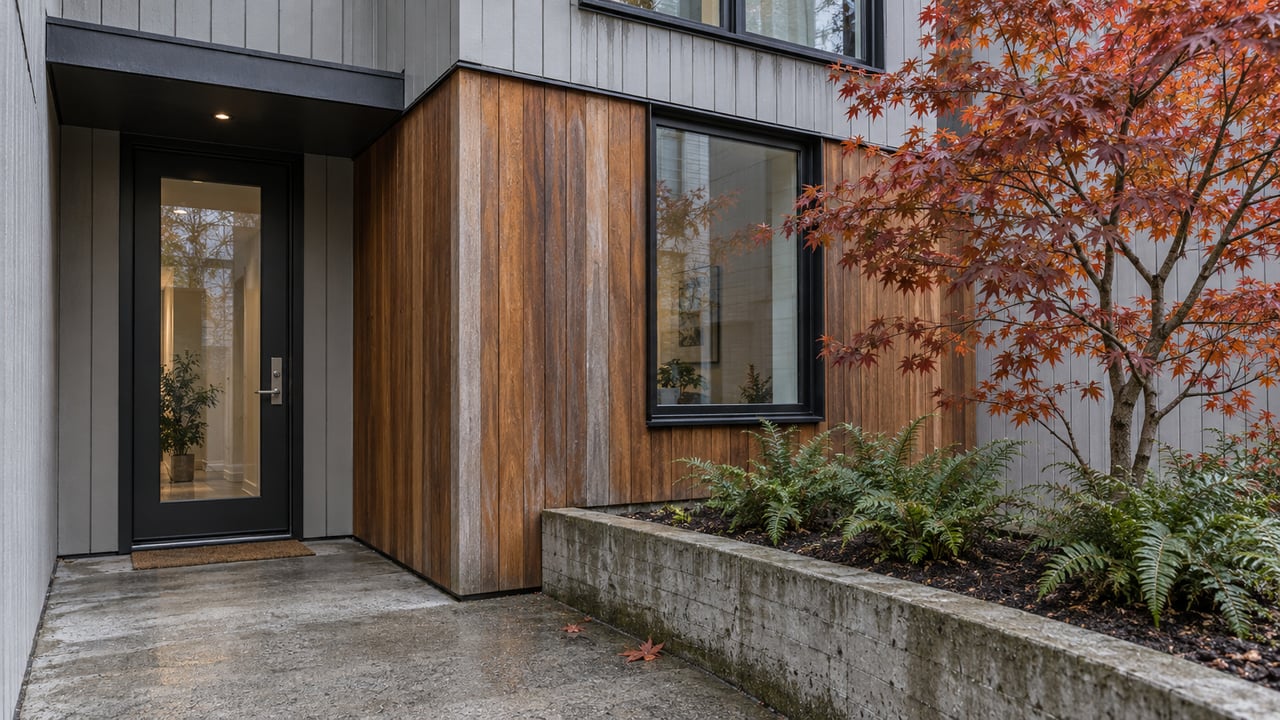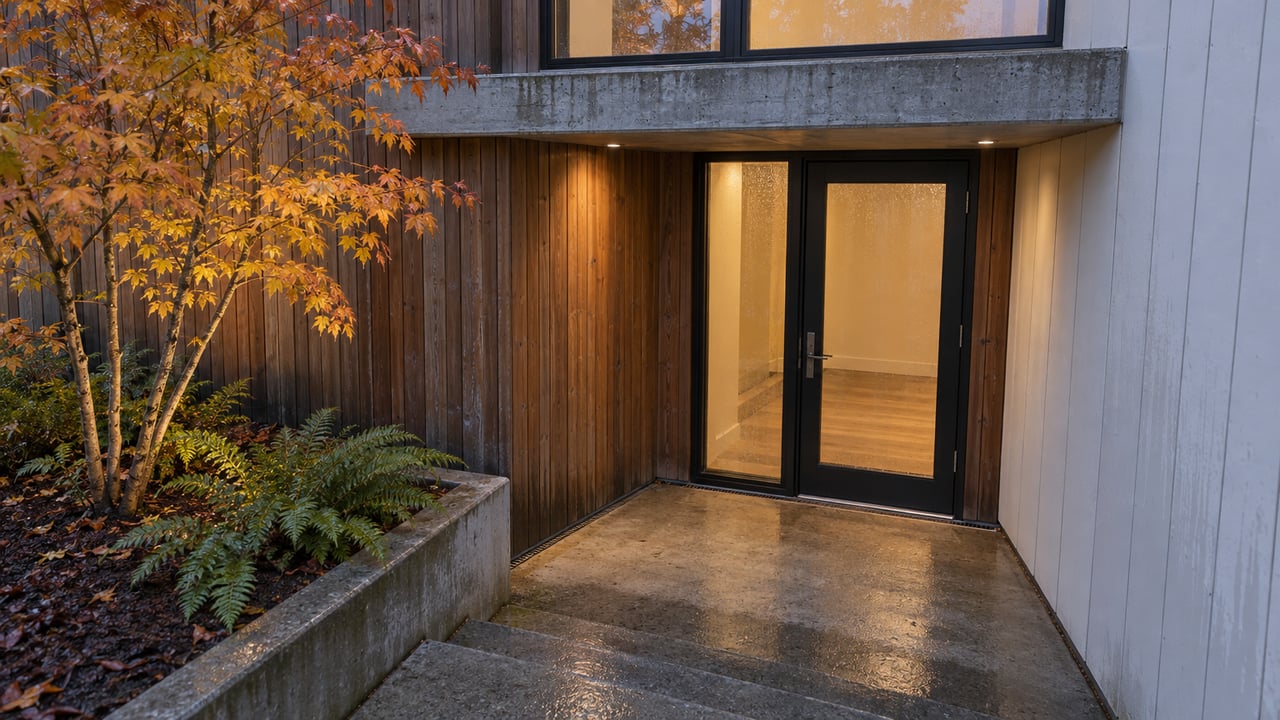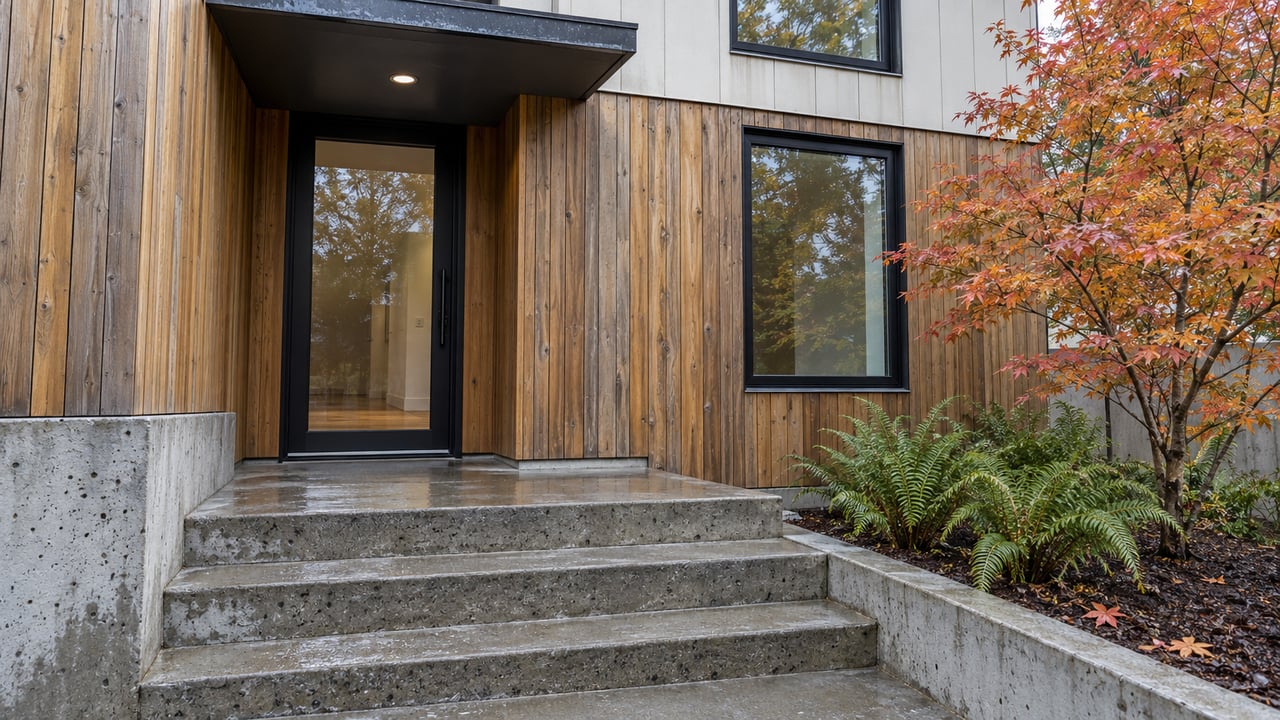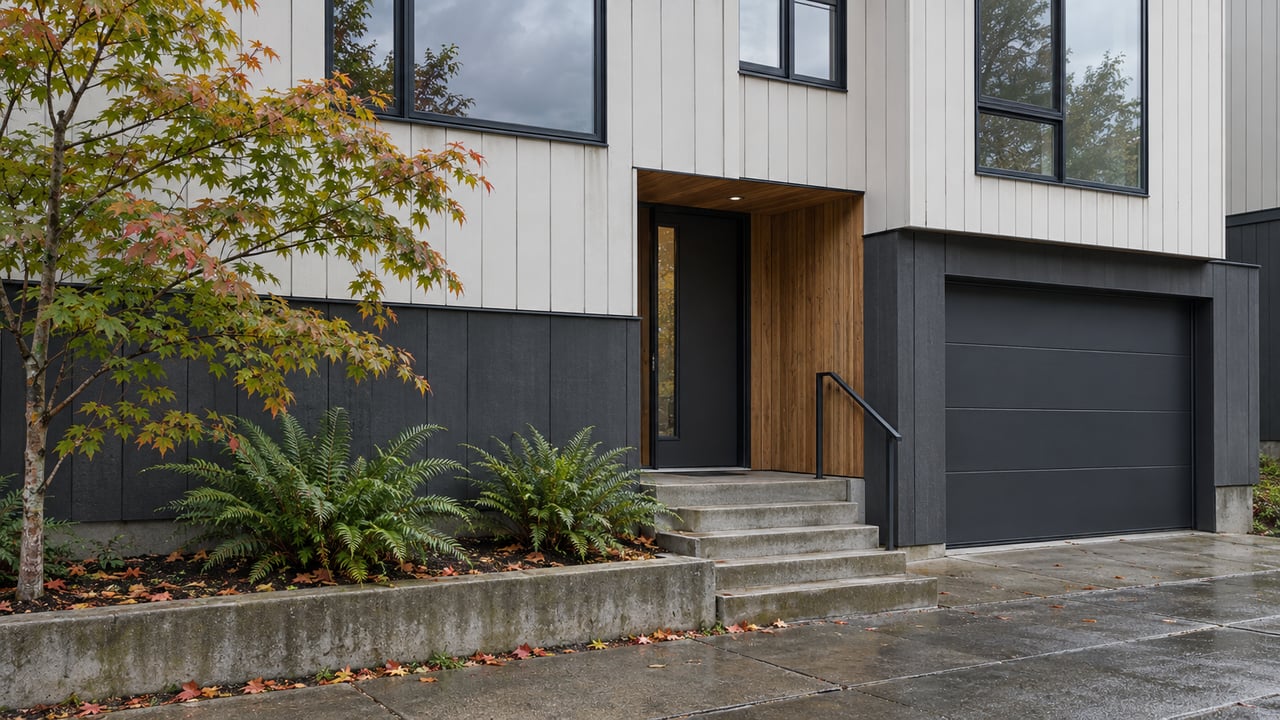
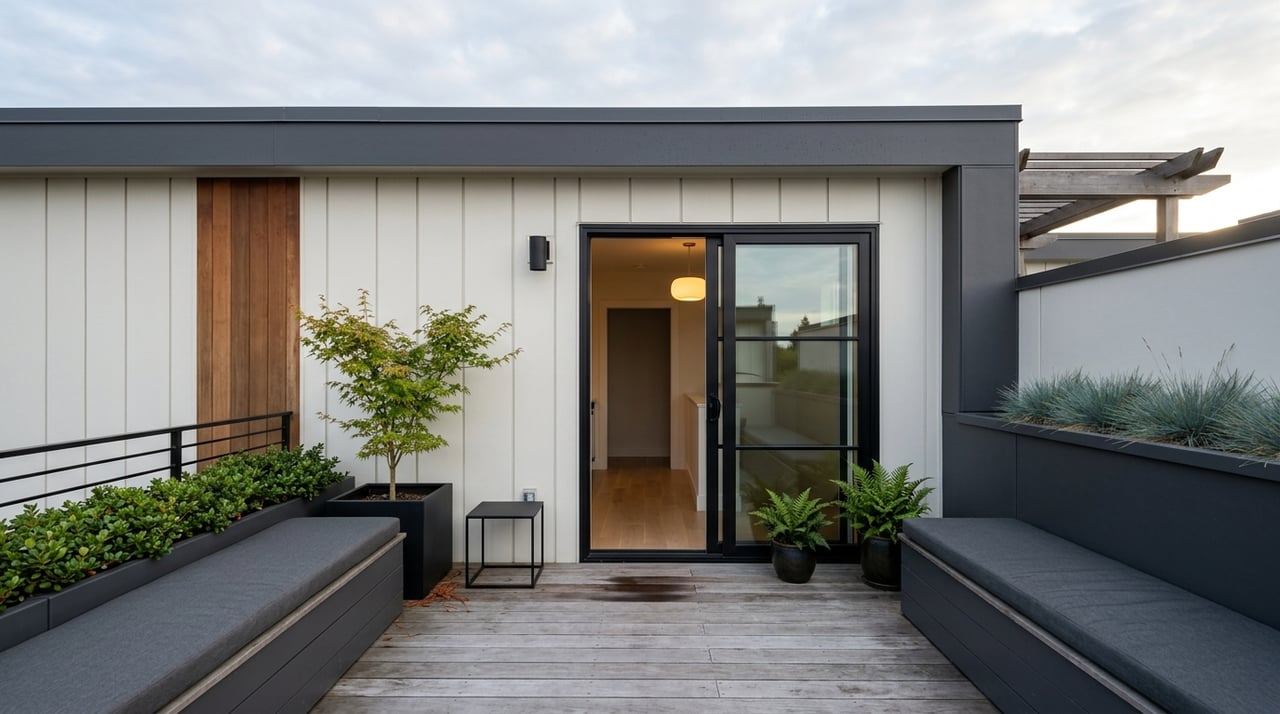
If you love Magnolia, downsizing can feel less like a simple move and more like a trade-off. You may want less upkeep and a smarter floor plan, but you do not want to give up the light, outlook, and sense of place that made your current home special. The good news is that in Magnolia, keeping the view is often less about square footage and more about choosing the right setting. Let’s dive in.
Why Magnolia downsizing is different
Magnolia is not a flat, uniform neighborhood. City materials describe it as topographically distinct, with Magnolia Village in the valley and view-oriented areas like Magnolia Boulevard and Magnolia Park on the bluff.
That matters because a downsizing move here is often about elevation, orientation, and topography. In other words, a smaller home can still deliver a meaningful view if it sits in the right position.
Discovery Park reinforces that point. With more than 530 acres, tidal beaches, and bluff overlooks toward Elliott Bay and the Olympic Mountains, it helps define Magnolia as a place where landscape and outlook are part of daily life.
What “right-sizing” can look like
For many homeowners, downsizing does not mean leaving Magnolia. It means finding a home that supports the next stage of life with less maintenance, easier living, and a layout that still feels connected to the neighborhood.
Because much of Magnolia’s housing stock dates from 1930 to 1960, many downsizers will be choosing from resale homes rather than a deep pool of brand-new options. That makes planning important, especially if you want a specific combination of size, convenience, and view potential.
Stay-in-Magnolia options may be selective
Magnolia remains mostly residential, and attached-home opportunities are not spread evenly across the peninsula. City zoning materials indicate that smaller-scale mixed-use, multifamily, and townhouse options are more likely to cluster near Magnolia Village and along zone-transition edges.
That means your best-fit options may include:
- Condominiums near the village
- Townhomes near mixed-use edges
- Smaller resale houses in carefully chosen locations
- Homes that trade interior space for easier upkeep and stronger siting
Seattle’s One Seattle Plan and HB 1110 compliance are broadening the housing types allowed in residential areas, including duplexes through sixplexes, townhouses, stacked flats, courtyard apartments, and cottage housing. Seattle’s permanent HB 1110 implementation was set to take effect on January 21, 2026.
Over time, that could create more right-sizing choices. Still, if you are making a move now, it is wise to assume the most appealing Magnolia downsizing inventory will remain limited and highly specific.
How to downsize without losing the view
If the view is your priority, start there first. In Magnolia, that usually means treating the view as a location question before it becomes a floor plan question.
Focus on elevation first
Higher placement can matter more than larger size. A compact home on a bluff-facing or elevated site may preserve the experience you care about better than a bigger home in a lower position.
When touring options, ask yourself what the home is actually capturing. Is it open sky, Puget Sound, Elliott Bay, or a partial outlook filtered through surrounding topography?
Pay attention to orientation
Not every home in a view area offers the same daily experience. Window placement, main living areas, decks, and upper-level rooms can all shape how much of the outlook you enjoy from the spaces you use most.
A well-oriented condo or townhome can sometimes outperform a larger detached home that has weaker sightlines. That is why how the home faces and lives matters as much as the address itself.
Understand the trade-offs clearly
In Magnolia, simplifying your life may involve one of these trade-offs:
- Less interior square footage for a better outlook
- Fewer stairs for a smaller outdoor footprint
- Shared walls in exchange for lower exterior maintenance
- A village-adjacent location instead of a larger standalone lot
None of these is automatically better. The right choice depends on whether your top goal is view retention, walkability, lower maintenance, or stronger financial flexibility.
Condos and townhomes can simplify ownership
For many Magnolia downsizers, condos and townhomes are worth a close look because they can reduce the day-to-day work of ownership. You may have less exterior maintenance, less yard care, and fewer big-ticket responsibilities tied directly to a standalone structure.
That said, simpler does not always mean cheaper month to month. The Consumer Financial Protection Bureau notes that HOA dues are usually part of buying a condo, co-op, or other organized community with shared services, and condominium HOAs often manage shared structures such as roofs and driveways.
So when comparing options, look at the full picture:
- Monthly HOA dues
- What those dues cover
- Building condition and shared maintenance responsibilities
- Whether the layout and location support your long-term goals
A smaller home that costs less to maintain can still be the right move even if the monthly structure changes. The key is understanding the trade clearly before you commit.
Your real budget is net proceeds
One of the biggest downsizing mistakes is focusing too much on sale price and not enough on what you actually keep. If your next move depends on equity from your current home, net proceeds matter more than the headline number.
Freddie Mac says seller closing costs are often the largest expense in a home sale. These commonly include commissions, taxes, and fees, with commissions often estimated at 3% to 8% of the sale price and other fees and taxes at 2% to 4%. Additional spending can also go toward repairs, staging, painting, and landscaping.
In Washington, the Department of Revenue says the real estate excise tax, or REET, applies to real-property sales and is usually paid by the seller. The state portion uses a graduated rate structure, which is another reason to think in terms of net proceeds rather than gross sale price.
Build your downsizing budget around these costs
Before you shop seriously, account for:
- Mortgage payoff, if any
- Commissions and seller closing fees
- Washington REET
- Repair or preparation costs
- Staging, painting, or landscaping as needed
- Moving expenses
- Any temporary housing or timing solution costs
In Magnolia, this is especially important because replacement options that preserve a similar lifestyle can be limited. You want to know what you can comfortably buy before you fall in love with a specific next home.
Timing your sale and purchase matters
Downsizing is often a two-part move. You are not just selling one home. You are also trying to buy the right next one with the least stress possible.
NWMLS reported 21,381 active listings in May 2026, up 16.8% year over year. It also noted that rising inventory is giving buyers more negotiating power and more choice than in recent years, even though many counties remain below balanced-market levels.
That kind of market can create opportunities for Magnolia downsizers. You may have more room to compare options and negotiate than you did in a tighter environment.
Common ways to handle the timing gap
If your next purchase depends on selling first, a home-sale contingency may help protect you. Freddie Mac says this type of contingency can keep the contract from moving forward if your current home does not sell in time.
If financing is part of the equation, a mortgage contingency matters too. The CFPB says it controls whether your deposit is refunded if financing falls through.
If your current home sells before your next one is ready, a rent-back agreement may help bridge the gap. Realtor.com describes rent-back, also called post-settlement occupancy, as a temporary arrangement that allows the seller to remain in the home after closing.
Bridge financing is another possible tool. The CFPB recognizes temporary bridge loans of 12 months or less, including loans used to buy a new dwelling when the borrower plans to sell a current dwelling within 12 months.
The right sequence depends on your equity, financing comfort, and how quickly the right Magnolia replacement property is likely to appear. In a selective micro-market, patience and planning usually outperform rushing.
A smart Magnolia downsizing plan
If you want to simplify without losing the view, it helps to follow a clear order of operations. That keeps emotional decisions from getting ahead of the numbers.
Start with your non-negotiables
Make a short list of what truly matters most:
- Staying in Magnolia
- Preserving a water or bluff outlook
- Reducing maintenance
- Cutting monthly carrying costs
- Improving accessibility or daily convenience
This list becomes your filter. Without it, it is easy to compare homes that solve different problems.
Price your current home realistically
Your sale funds the next chapter, so pricing strategy matters. A precise value range helps you estimate net proceeds, assess timing options, and shop with more confidence.
Target the right inventory pockets
Because downsizing opportunities are more likely to cluster near Magnolia Village and transition areas, your search should be focused rather than broad. A tighter search often leads to better decisions and fewer false starts.
Compare lifestyle, not just square footage
A smaller home can still feel better if it gives you easier living, stronger light, and a more usable layout. In Magnolia, that can be a smarter outcome than simply trying to replicate your current home in miniature.
The goal is not less, it is better fit
The best downsizing moves in Magnolia are rarely about giving something up for the sake of it. They are about keeping the parts of your lifestyle that matter most while shedding the upkeep, cost, or complexity that no longer serves you.
If the view is central to how you live, plan around that first. In this neighborhood, the right elevation, orientation, and financial strategy can help you simplify without losing what makes Magnolia feel like home.
If you are weighing whether to sell, how much equity you could preserve, or where the best right-sizing options may be, Brad Hinckley can help you build a calm, data-driven plan for your next move.
FAQs
Can I downsize and stay in Magnolia?
- Probably yes, but the best-fit options are likely to be selective because Magnolia is primarily residential and many attached-home opportunities cluster near Magnolia Village and nearby transition areas.
How can I keep a view when downsizing in Magnolia?
- Focus first on elevation, orientation, and topography, since those factors often matter more than square footage in Magnolia.
Are there many new downsizing homes in Magnolia?
- Most of Magnolia’s housing stock dates from 1930 to 1960, so many downsizing choices are resale properties rather than large amounts of brand-new inventory.
Should I consider a condo or townhome in Magnolia?
- Yes, if lower exterior maintenance is a priority, but you should also review HOA dues, what they cover, and the building’s shared maintenance responsibilities.
What costs should I budget for when selling a Magnolia home?
- At minimum, budget for commissions and seller closing fees, Washington REET, possible repair or staging costs, mortgage payoff if applicable, moving expenses, and any timing-related housing costs.
What if I need to sell my Magnolia home before buying the next one?
- Possible tools include a home-sale contingency, a mortgage contingency, a rent-back agreement, or bridge financing, depending on your timing and financial plan.