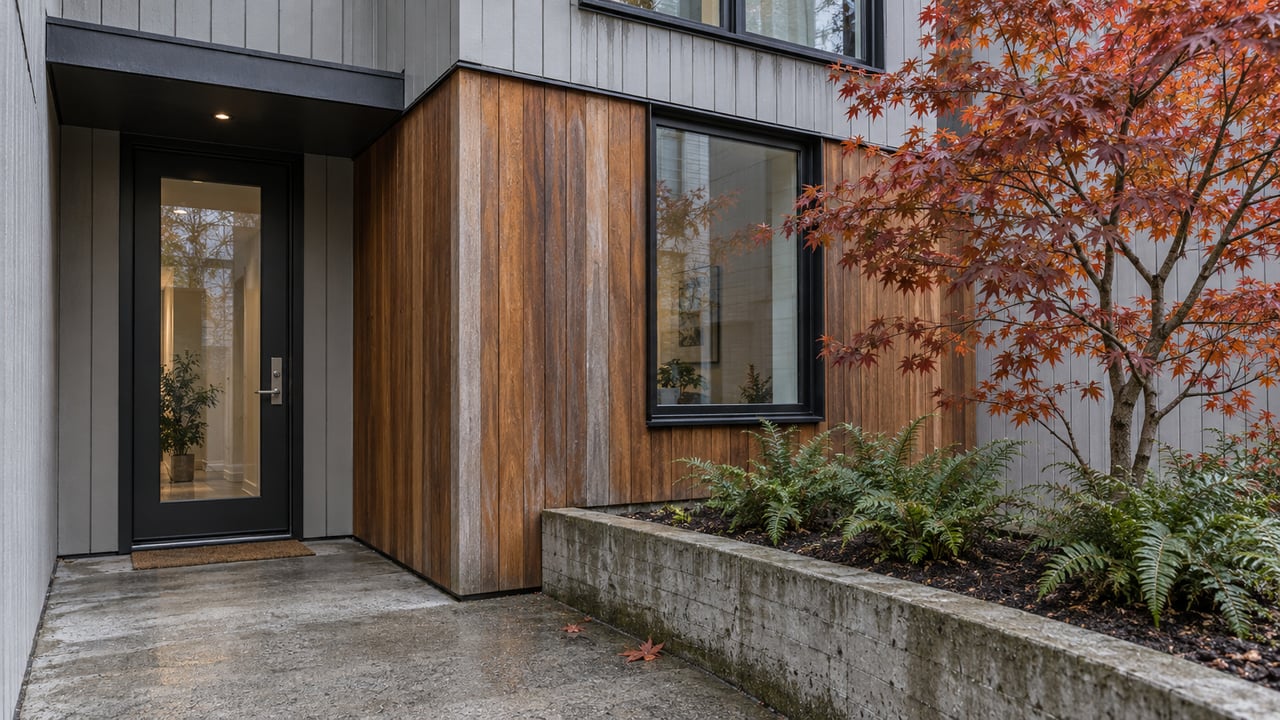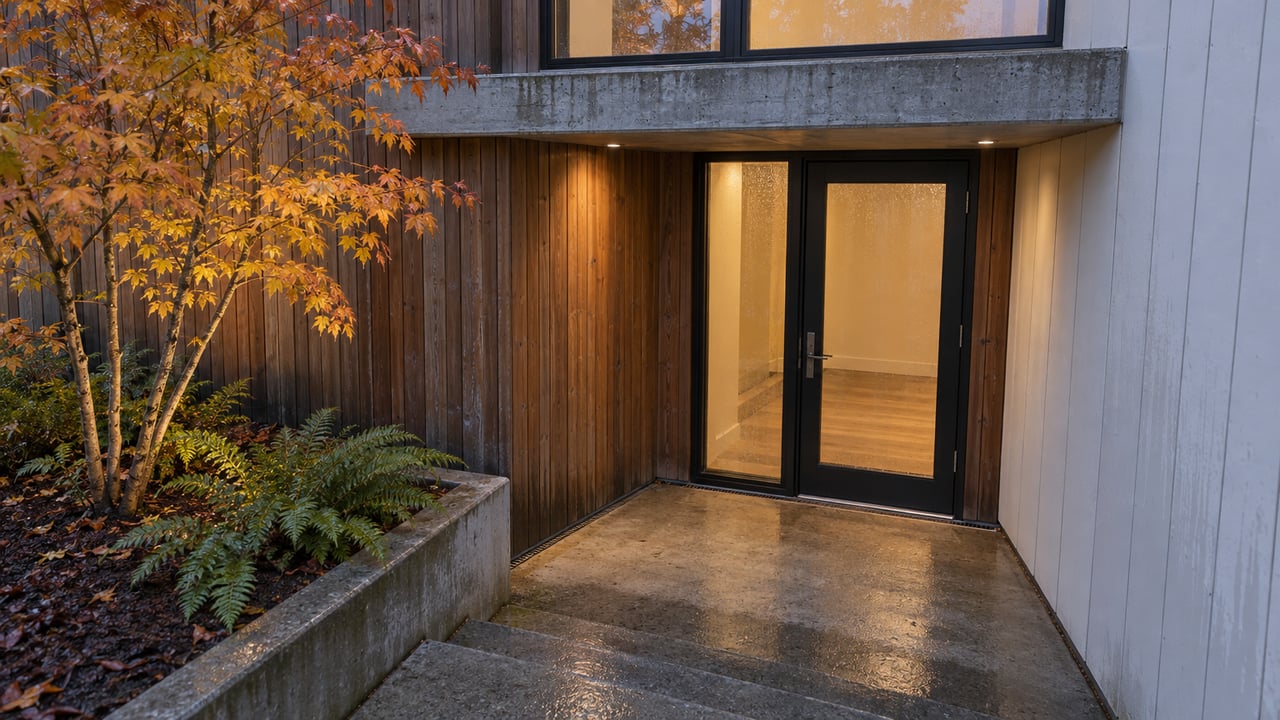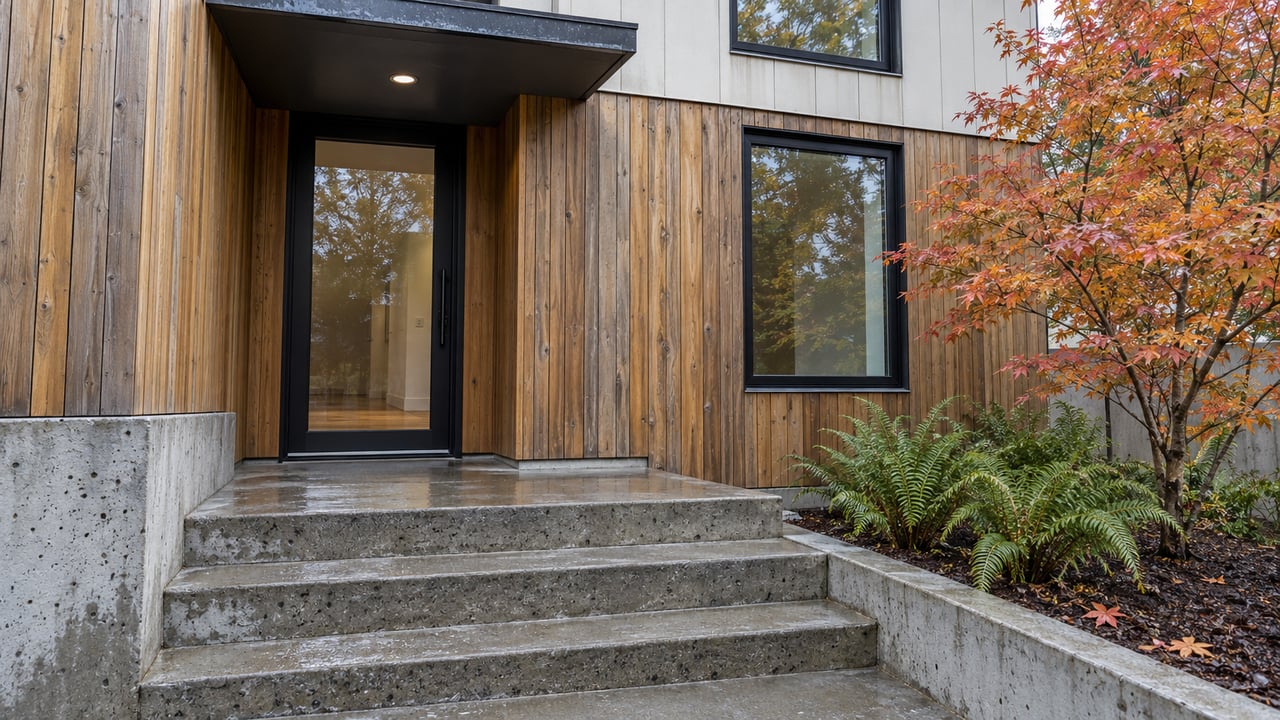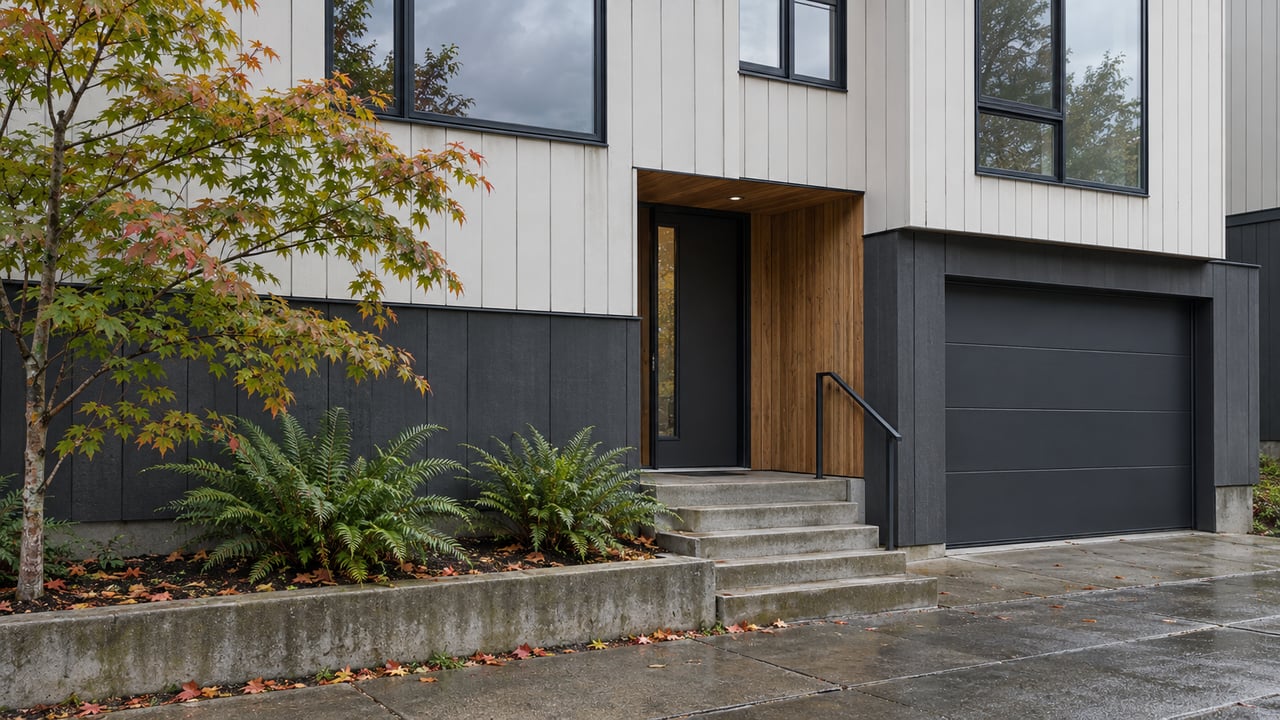
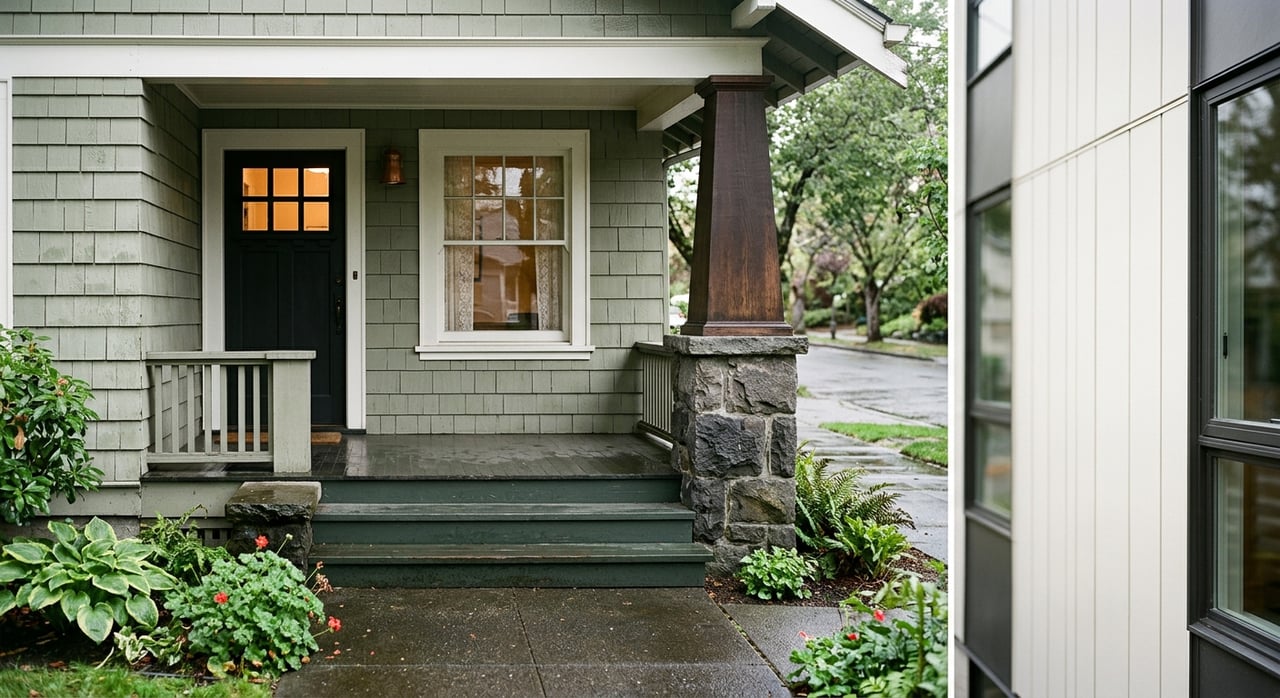
Wondering whether a Queen Anne new build or a classic older home is the better fit? You are not alone. In a neighborhood with steep streets, varied housing types, and strong buyer demand, the right choice often comes down to how you want to live day to day, not just what looks best online. This guide will help you compare maintenance, layout, parking, and long-term planning so you can make a more confident decision. Let’s dive in.
Queen Anne has both old and new
Queen Anne stands out because it is not a uniform housing market. Seattle’s historic context materials show the neighborhood was largely established by the 1930s, with many single-family homes built in the late 1910s and late 1920s. Those homes included Craftsman bungalows, period-revival cottages, and Tudor Revival styles.
At the same time, Queen Anne also saw a major apartment-building wave beginning around 1925, especially on the south slope. That layered history still shapes the market today. You can find detached older homes alongside newer townhomes, condos, and other attached housing.
That mix matters in a competitive market. Redfin’s May 2026 snapshot for Queen Anne shows a median sale price of $1,035,652, a median of 20 days on market, and a 99.4% sale-to-list ratio across home types. In a neighborhood like this, choosing the right property type can have a big impact on how happy you feel after closing.
New builds offer easier upkeep
For many buyers, the biggest draw of a newer Queen Anne townhome or condo is predictability. In Washington, attached homes may be part of an HOA or a condominium structure, and common-interest communities collect mandatory assessments for shared items like streets, lights, sewers, garages, and administrative costs.
That setup can simplify day-to-day ownership. Instead of handling every exterior issue yourself, you may have an association that manages more of the shared maintenance. If your goal is a lower-maintenance, lock-and-leave lifestyle, that can be a real advantage.
Still, lower maintenance does not mean no responsibility. You should review dues, rules, and the health of the reserves before you buy. Washington says most associations must conduct annual reserve studies, which helps with long-term maintenance planning.
HOA and condo details matter
With newer attached homes, the fine print matters almost as much as the floor plan. The association’s governing documents often explain who handles what, how repairs are approved, and whether there are limits on parking, storage, or exterior changes.
Insurance is another area buyers should look at closely. Washington’s insurance commissioner says condo coverage depends on the community’s governing documents and the master policy. In many cases, the association covers common elements like roofs or hallways, while the owner covers the interior finish level defined by the policy.
You should also understand that ordinary maintenance and wear and tear are generally not covered. Special assessments can also happen if losses exceed policy limits. That does not make newer homes a bad choice, but it does mean you should evaluate the monthly cost beyond the mortgage alone.
Classic homes bring more character
If you are drawn to Queen Anne for its architectural charm, an older detached home may be the reason. Seattle’s historic materials note that many 1920s homes still remain throughout the neighborhood. These properties often appeal to buyers who want a more traditional detached-home feel, distinct design details, and a little more control over the property.
That character can be hard to replicate. Older homes may offer original styling, detached garages, and a different relationship to the lot and street than many newer attached homes. For some buyers, that sense of place is the whole point of buying in Queen Anne.
A classic home can also offer more room to shape the property over time. If customization matters to you, an older home may provide more flexibility than a condo or HOA-governed townhome. But that opportunity usually comes with more homework.
Older homes need deeper diligence
With a classic Queen Anne home, buyer diligence becomes more important. If the home was built before 1978, it is more likely to contain lead-based paint. Buyers of most pre-1978 housing have a right to disclosure about known lead-based paint hazards.
Renovation planning matters too. EPA guidance recommends lead-safe contractors for renovation, repair, or painting work in pre-1978 homes. If you are thinking about updates, that should be part of your cost and timeline planning from the start.
Permits are another key item to verify. Seattle notes that most additions, remodels, and new construction require permits, and permits can help with resale value and insurance coverage. If an older home has been changed over time, permit history can tell you a lot about how the work was done.
Parking can change the decision
In Queen Anne, parking is not a small detail. It can be one of the most important quality-of-life factors in your home search. The neighborhood’s steep topography and varied street patterns mean parking convenience can differ a lot from one block to the next.
Seattle’s historic context notes that some streets were intentionally curved to reduce steep grades. Today, those terrain realities still affect garage access, driveway design, and everyday ease of use.
Seattle’s RPZ system includes North Queen Anne Zone 11, Lower Queen Anne Zone 13, and Upper Queen Anne Zone 26. SDOT also cautions that an RPZ permit does not guarantee a nearby space, and some zones have more active resident permits than available street spaces.
That is why parking should be verified, not assumed. Whether you are looking at a new townhome, a condo, or an older detached house, confirm details like:
- Deeded parking
- Garage size and access
- Alley access
- Guest parking
- RPZ eligibility
- HOA or condo parking rules
Layout matters as much as age
Many buyers start with style, but daily livability often matters more after move-in. A newer attached home may offer a cleaner, more modern layout and a simpler maintenance routine. That can work well if you want an efficient urban setup with clear ownership responsibilities.
An older detached home may feel more spacious or private, but not every classic layout fits modern living equally well. Room sizes, stair patterns, storage, and garage function can vary widely in homes built decades ago.
In Queen Anne, topography adds another layer. A home that looks great on paper may feel different when you consider stairs, entry access, parking, or how often you carry groceries up a slope. Touring with those practical details in mind can help you avoid a mismatch.
A simple decision framework
If you are deciding between Queen Anne new builds and classics, it helps to focus on the ownership experience you want. In most cases, this is less about one option being universally better and more about which trade-offs fit your life.
A newer attached home may be the better fit if you value:
- Lower day-to-day upkeep
- More predictable monthly budgeting
- Shared maintenance through an association
- Urban lock-and-leave convenience
- Parking and storage terms defined in documents
A classic detached home may be the better fit if you value:
- Architectural character
- A more traditional detached-home feel
- Greater control over repairs and upgrades
- Potential customization over time
- Comfort with deeper inspection and maintenance diligence
How to buy more confidently
In a neighborhood as competitive and varied as Queen Anne, the best choice usually comes from matching the home to your timeline, budget, and tolerance for upkeep. A newer home can make near-term budgeting easier, but you still need to understand dues, reserves, insurance structure, and assessment risk.
An older home may offer charm and long-term appeal, but it often requires closer review of maintenance condition, permit history, and renovation planning. Even small differences in parking, layout, and maintenance burden can have an outsized effect on your long-term satisfaction and eventual resale.
That is where a data-driven approach helps. When you compare the total ownership picture instead of just the list price, it becomes easier to spot which option truly fits your goals in Queen Anne.
If you want help weighing a Queen Anne new build against a classic home, Brad Hinckley offers calm, analytical guidance to help you compare trade-offs, assess value, and move forward with confidence.
FAQs
How much maintenance does a newer Queen Anne townhome or condo remove?
- A newer attached home often shifts more shared exterior and common-area work to the association, but the exact split depends on the governing documents and master insurance policy.
What should buyers watch for in an older Queen Anne home?
- Buyers should pay close attention to age-related repair needs, permit history, and lead-safe renovation requirements if the home was built before 1978.
Is parking really a concern for Queen Anne homebuyers?
- Yes. Queen Anne includes multiple RPZ areas, a permit does not guarantee a nearby space, and parking convenience can vary significantly by block and property type.
Are there still classic older homes available in Queen Anne?
- Yes. Seattle’s historic context materials say many 1920s homes still remain throughout Queen Anne, including residential blocks developed in the early 20th century.
How should buyers compare Queen Anne new builds and classics?
- The most useful approach is to compare maintenance responsibility, monthly carrying costs, parking, layout, and how long you expect to own the home.