What if your daily commute was a quick train ride and your coffee, groceries, and parks were a short walk from home? If you are relocating to Seattle and want a car-light lifestyle, living near Mount Baker Station is worth a close look. In this guide, you will learn how Link light rail shapes daily life, what to expect from local housing, and how to plan a smooth move. Let’s dive in.
Why Mount Baker near Link
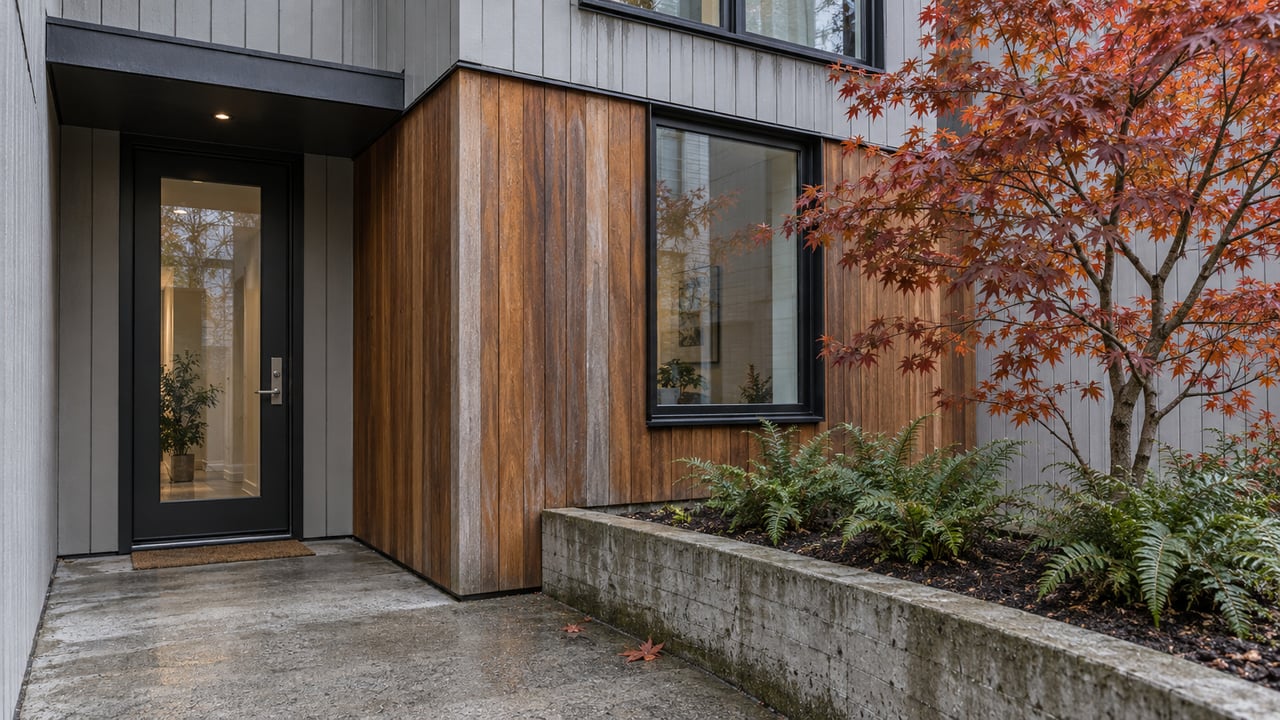
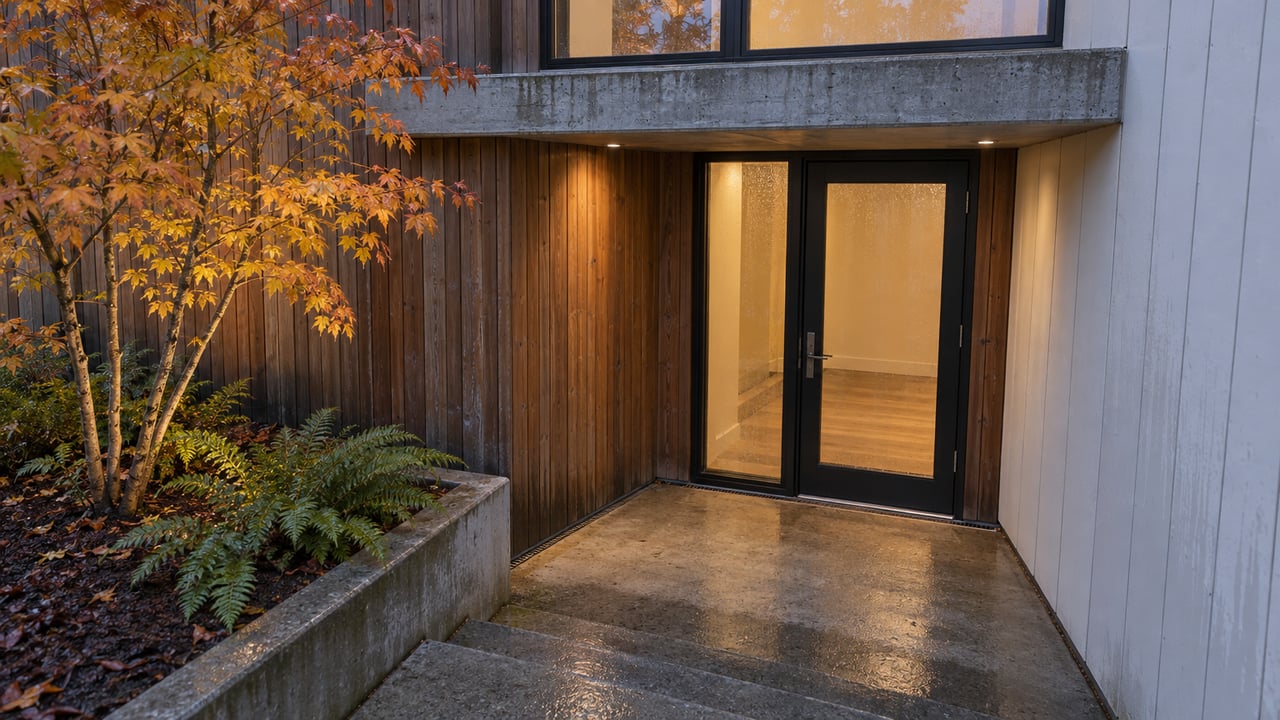
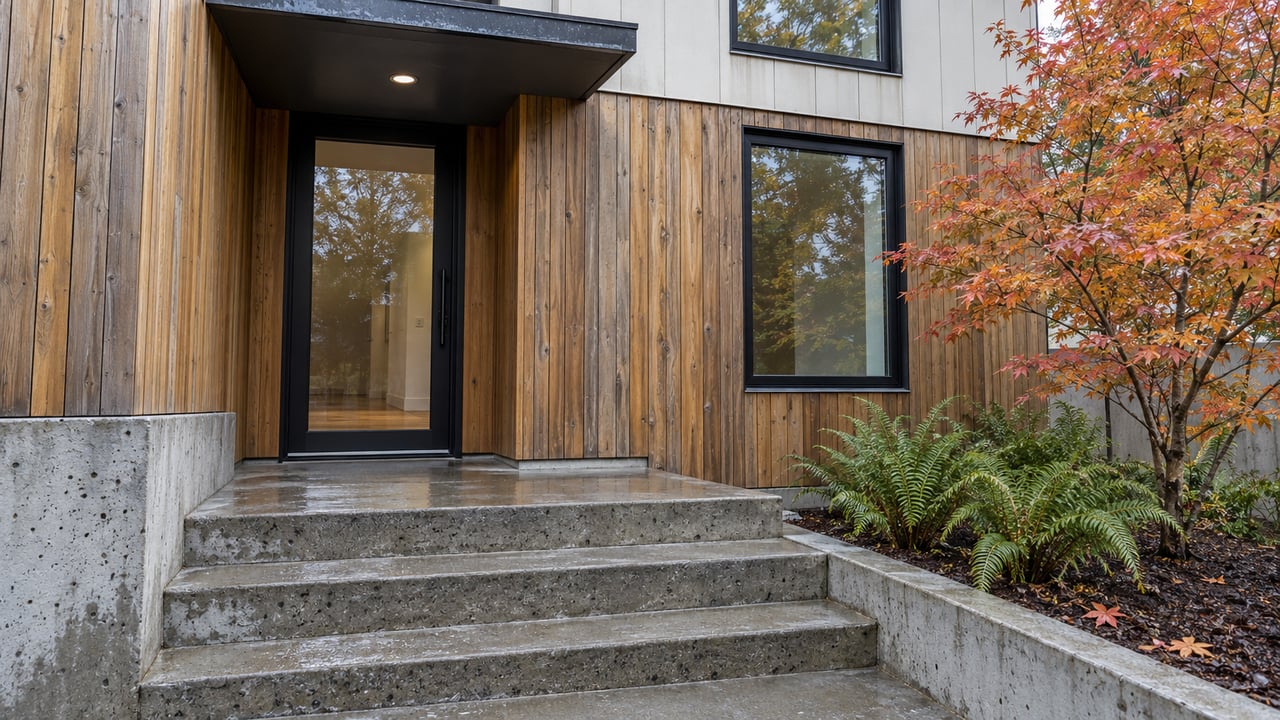
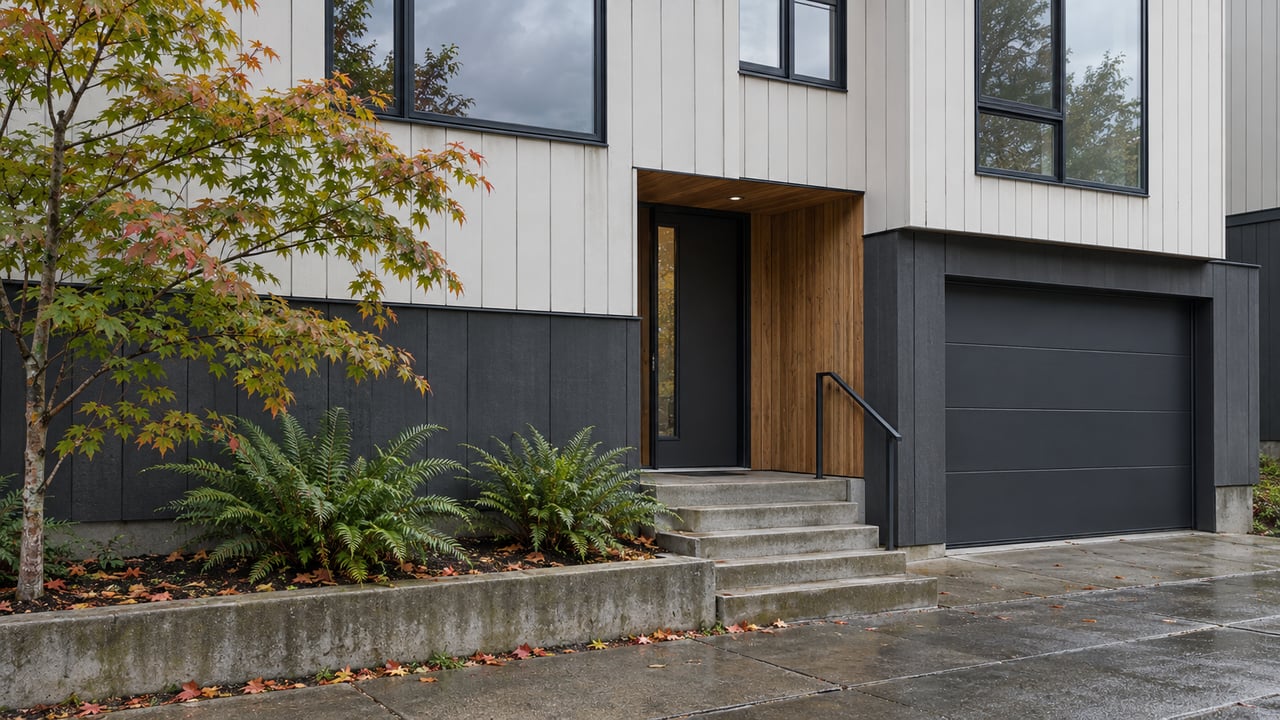
Mount Baker Station sits in Seattle’s Rainier Valley and has anchored the neighborhood since Link began service in 2009. The area blends older single-family homes with duplexes, small apartment buildings, and newer infill townhomes and condos. You will also find busy commercial corridors, especially along Rainier Avenue S, with cafes, restaurants, and services.
City policies support more housing near frequent transit, so you can expect ongoing infill and transit-oriented development around station areas. That mix gives you options at different price points and makes daily errands easier without a car.
Commute and mobility
Link light rail basics
Link connects Mount Baker to downtown Seattle and other major hubs. Trains run frequently during peak times, with longer gaps off-peak. Most riders reach downtown in a short, single-digit number of minutes, and trips to the airport can often be under 30 to 40 minutes depending on routing and time of day. For exact, current travel times, use the Sound Transit trip planner and preview your route on the Link system map.
Bus connections and biking
King County Metro buses serve Rainier Valley corridors and feed into Mount Baker Station. Schedules and routes change over time, so check King County Metro routes and schedules for updates. Biking can work well for first or last mile connections, though infrastructure varies block by block. Review the Seattle bike map to plan comfortable routes.
Driving and regional access
Mount Baker has direct access to major arterials and a short connection to I-5. Downtown congestion and parking costs make transit appealing for regular commuters. If you plan to keep a car, compare monthly parking options at your building with on-street demand near the station.
Walkability and daily life
Everyday errands nearby
Close to the station, you will find coffee shops, small grocery and convenience stores, personal services, and casual dining. Many daily needs are within a 5 to 15 minute walk depending on the block. For specialty shopping or a larger grocery run, a short train, bus, or bike trip can fill the gap.
Parks and community spaces
The neighborhood offers a network of local parks and green spaces for walks, dog time, and fresh air. Facilities and programming can shift with the seasons. Check Seattle Parks and Recreation for current park details and activities.
Schools and health services
Public schools serve the area, with assignments based on address and program availability. Boundaries, enrollment processes, and program offerings change periodically. Start with Seattle Public Schools enrollment to confirm your address lookup and next steps. Major medical centers across Seattle are accessible by transit; urgent care and clinic proximity varies by block.
Housing options near the station
You will find a wide range of home types near Mount Baker Station.
- Single-family homes: classic Craftsman bungalows, early to mid-20th century houses, and mid-century homes. Some lots have seen additions or redevelopment over time.
- Duplexes and triplexes: common within older housing stock and side streets.
- Condos and apartments: small walk-ups to newer mid-rise buildings along transit corridors.
- Townhomes and rowhouses: frequent in newer infill close to the station.
- Rentals: studios to multi-bedroom options at varied price points.
Price tiers at a glance
Seattle pricing moves with market conditions and inventory. Think in tiers rather than fixed numbers, then confirm the latest data before you shop.
- Entry-level options: smaller condos, studios and 1-bed rentals, and older apartments.
- Mid-tier options: 2 to 3 bedroom condos, townhomes, and smaller single-family homes or duplexes.
- Higher-tier options: larger single-family homes and newer townhomes or condos near key amenities.
For property history and tax details, use the King County Assessor site. For current sale and rental figures, refresh market snapshots at time of search and review representative listings with your broker.
Renting before buying
Many newcomers rent first while they get to know the neighborhood and confirm commute patterns. Average rents change quickly. If you plan a rent-then-buy path, timeline your lease with your home search window so you can compete when the right listing appears.
Car-light living tips
Test your routine
Before you commit, run your commute at the exact times you would normally travel. Use the Sound Transit trip planner and King County Metro routes and schedules for live updates. Try the walk to the station, visit local shops, and time a weekly essentials run.
Parking, noise, and comfort
On-street parking near transit hubs can be in demand, and some buildings offer limited garage spaces. Ask about bike storage, package rooms, and sound mitigation if you face a busy street or rail line. Visit listings at different times, including evenings and weekends, to gauge train noise, traffic hum, and nightlife.
Quick car-light checklist
- Confirm monthly transit costs vs. parking and fuel.
- Identify the nearest grocery and pharmacy you will use most.
- Locate safe bike routes and storage options in your building.
- Verify on-street parking rules if you keep a car.
- Check school enrollment steps and daycare waitlists.
- Visit at night and on weekends to assess noise and activity.
Future growth and change
Station areas often draw new housing and mixed-use projects. Zoning and planned development can shape views, sunlight, and street life over time. Review SDCI zoning resources and the City’s Office of Planning and Community Development for current planning documents. If you are concerned about nearby construction, ask your broker to check recent permits and neighborhood plan updates.
Safety and data
Perception can vary by block and time of day. To ground your view in facts, review official data on the Seattle Police crime dashboard and compare patterns over time. Pair that with in-person visits and conversations with building managers about lighting, access controls, and property policies.
Move with confidence
If you want transit at your doorstep and a walkable rhythm to your week, Mount Baker near Link offers a compelling balance of access and lifestyle. The key is to test your routine, match housing type to your budget and needs, and use current data when you evaluate options. For a tailored strategy, neighborhood insight, and a focused home search near the station, connect with Brad Hinckley to explore next steps.
FAQs
How long is the Mount Baker to downtown commute on Link?
- Use the Sound Transit trip planner for precise times. Many riders reach the downtown core in a short, single-digit number of minutes, with frequency higher at peak periods.
Can I live without a car near Mount Baker Station?
- Yes, many residents do. Walk to the station for Link, use frequent Metro buses, bike for short trips, and rely on rideshare or carshare occasionally for errands outside transit corridors.
What home types are common near Mount Baker Station?
- You will see older Craftsman single-family homes, duplexes and triplexes, townhomes, and a mix of condos and apartments including newer mid-rise infill near transit.
How do I verify school assignments for a Mount Baker address?
- Start with Seattle Public Schools enrollment to review address lookup and boundary information, then confirm details directly with the district.
Is it noisy to live close to the station?
- Proximity brings convenience and some train and traffic noise. Visit listings at different times, check building sound mitigation, and weigh floor orientation and window glazing when you evaluate units.
How can I check zoning or future development near a property?
- Review SDCI zoning resources and the City’s Office of Planning and Community Development for active plans, then ask your broker to check recent permits and public notices for nearby sites.