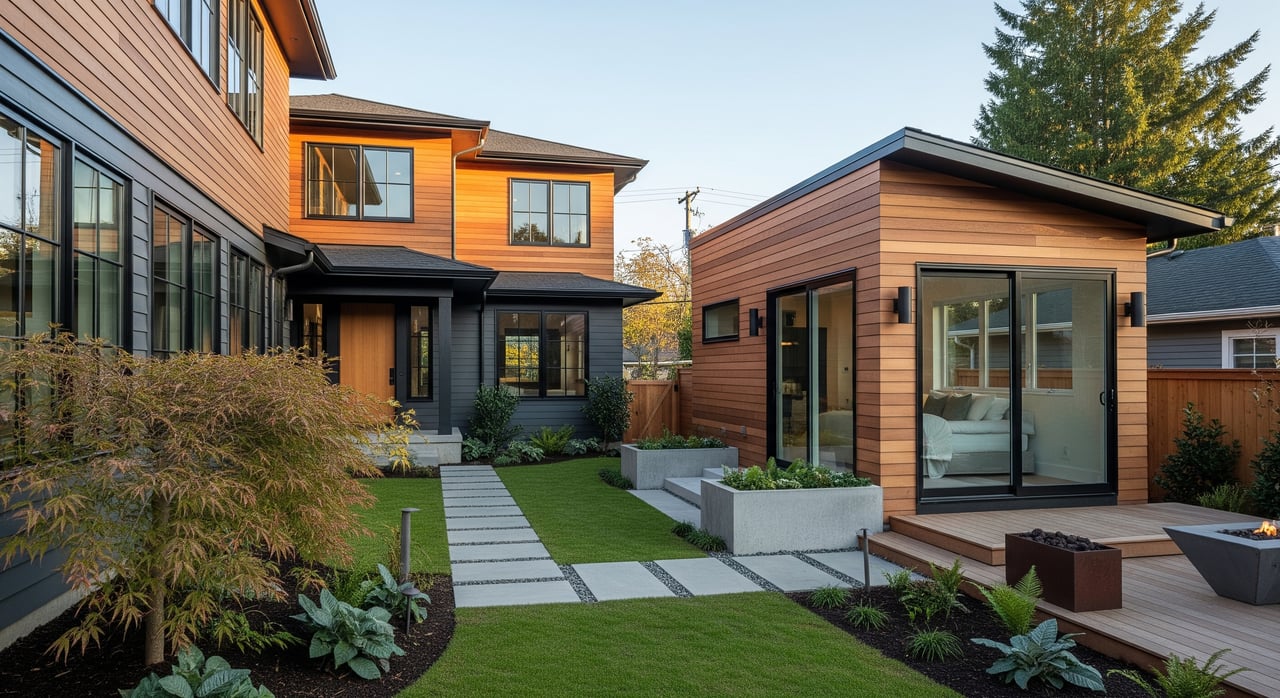
What if your Madrona home could help pay your mortgage? If you have been eyeing the neighborhood but want a smarter way to afford it, house hacking with an ADU or DADU can be a practical path. You get a home you love and a rental that helps cover carrying costs. In this guide, you will learn the local rules, how to check a lot for feasibility, realistic costs and rents, an easy ROI worksheet, and the steps to move from idea to income. Let’s dive in.
ADU and DADU basics
An ADU is a secondary dwelling that is inside or attached to your main home. Common examples include a finished basement apartment or an over-garage suite. A DADU is a separate small home in your yard, often called a backyard cottage.
For house hacking, you live in one unit and rent the other. This setup can offset your mortgage, create flexibility for guests or family, and increase long-term resale appeal when it is permitted and well documented.
Seattle ADU rules overview
The City of Seattle allows ADUs and DADUs across residential zones under standards managed by the Seattle Department of Construction and Inspections. Over the past several years, the city has clarified size, setbacks, and utility rules and has streamlined parts of the permit process.
The details that usually matter most include how many units are allowed on a lot, floor area and height limits, setbacks and lot coverage, owner-occupancy or registration requirements, and parking rules. Utility connections and metering can affect cost and design. Standards continue to evolve, so you should confirm the latest code and fees before you commit.
Why it matters: the ability to rent legally affects financing, insurance, and resale. Verifying feasibility up front helps you avoid surprises after you are already under contract.
Madrona feasibility checklist
Madrona is a well-established neighborhood with a mix of early 20th-century homes, some multifamily parcels, and limited infill. Lots vary in size, slope, and alley access, which makes site-specific checks essential.
Zoning and parcel data
- Confirm the zoning and whether any overlays or special designations apply. Historic conditions can affect exterior changes for a DADU.
- Use parcel records and the city’s services portal to review past permits and lot details.
Lot size, shape, and access
- Measure rear yard depth and side setbacks. Detached units need a buildable footprint with safe access.
- Alley or clear pedestrian access simplifies design. Tight rear yards may favor an interior ADU instead of a DADU.
Height, lot coverage, and setbacks
- Check maximum height for accessory structures and total lot coverage. Corner lots or steep slopes can create unique conditions.
- Verify whether existing structures already push lot coverage limits.
Utilities and sewer
- Most Madrona homes connect to city water and sewer. Confirm where lines run and whether you need new or upgraded connections.
- Plan for stormwater requirements, which can influence site work and cost.
Historic overlays and easements
- If a parcel is within a historic district or has recorded easements, exterior changes may face added review.
- Identify any access easements that could shape your layout.
Parking and street conditions
- Seattle has reduced parking minimums for many ADU situations, but parcel-level rules can still matter.
- Street steepness and curb conditions may affect construction access and design.
Quick pre-assessment before an offer
- Pull zoning and parcel records and past permits.
- Measure the rear yard and sketch a simple DADU footprint.
- Look for alley access and identify utility locations.
- Check for historic overlays and easements.
- Flag unusual slopes or lot shapes that could trigger structural or drainage work.
When to bring in a pro
- Properties in historic districts or with landmark status.
- Very small lots limited by coverage or setbacks.
- Steep or irregular sites that may require retaining walls, specialized engineering, or complex drainage solutions.
Costs and rent outlook in Madrona
Every site is different, but recent Seattle-area patterns provide useful ranges:
- Interior ADU (conversion or basement): tens of thousands on the low end to about 100,000 to 150,000 dollars when mechanicals and finishes are upgraded.
- Attached ADU (addition or above-garage): mid 100,000s to 300,000 plus, depending on size and systems.
- DADU (backyard cottage): roughly mid 150,000s to 400,000 plus, with many projects around 200,000 to 350,000. Costs tend higher with slope work, retaining walls, long utility runs, or premium finishes.
Factors that drive costs up include steep slopes, engineered retaining walls, stormwater controls, new utility lines or panel upgrades, historic design conditions, and on-site demolition or remediation.
For income estimates, look at recent leases for small units across Madrona and nearby neighborhoods. Adjust for unit size, private entry, and whether utilities are tenant paid. Use a conservative vacancy assumption of about 5 to 8 percent. Short-term rentals can post higher gross income, but they carry added rules, insurance needs, and neighborhood considerations. Always verify the current regulations before counting on short-term rental income.
Permitted ADUs can support resale value. Appraisers may capitalize net operating income when the unit is documented, separately metered, and has independent access. Informal or unpermitted spaces often see reduced value and can create financing issues.
ROI worksheet for a Madrona ADU
Use this simple framework to test feasibility before you write an offer or start design.
Key inputs to collect
- Estimated build cost: construction, design, permits, and contingency
- Financing terms: loan amount, interest rate, term, and fees
- Expected monthly rent (gross)
- Vacancy rate (annual percentage)
- Operating expenses: owner-paid utilities, routine maintenance, management, insurance changes, added property tax
- Time horizon for payback and return targets
Useful formulas
- Gross Annual Rent = Monthly Rent × 12
- Effective Annual Rent = Gross Annual Rent × (1 − Vacancy Rate)
- Net Operating Income (NOI) = Effective Annual Rent − Annual Operating Expenses
- Cash-on-Cash Return = Annual Cash Flow after Debt ÷ Equity Invested
- Simple Payback (years) = Equity Invested ÷ Annual Cash Flow after Debt
- Cap Rate (unlevered) = NOI ÷ Total Project Cost
Hypothetical example (illustrative only)
- Total project cost: 250,000 dollars
- Financing: 80 percent loan (200,000 dollars) at 6 percent for 30 years → estimated monthly payment about 1,199 dollars
- Monthly rent: 2,000 dollars
- Vacancy: 6 percent → Effective monthly rent about 1,880 dollars → Effective annual rent about 22,560 dollars
- Annual operating expenses: 3,000 dollars
- NOI: 22,560 − 3,000 = 19,560 dollars
- Annual debt service: about 14,388 dollars (monthly payment × 12)
- Annual cash flow after debt: 19,560 − 14,388 = 5,172 dollars
- Cash invested: 50,000 dollars down + 5,000 dollars in closing/soft costs = 55,000 dollars
- Cash-on-cash return: about 5,172 ÷ 55,000 = 9.4 percent
Swap these inputs with contractor bids, permit estimates, and current rent comps for your target property.
Permits, financing, and timeline
Building permits cover construction, and you will also need electrical, plumbing, and mechanical permits. Expect drawings, a site plan, structural calculations when framing is new, utility coordination, and inspections. Interior conversions are often faster. Detached units usually take longer due to foundations and site work. Plan for several months to a year from permits through construction, depending on scope and contractor availability.
Financing options include cash, a home equity line, a renovation or construction loan that converts to permanent financing, or certain government-backed renovation products where eligible. Lenders will review your total debt-to-income and may consider post-project value. Begin lender conversations early so you can match design scope to your budget.
Let your insurer know you are adding a rental unit. You may need a landlord rider or higher liability coverage. Property taxes can rise if the ADU increases assessed value. Check how additions and new rentable space are treated by local assessors before you finalize budgets.
Resale value and documentation
Permitted ADUs with clear, independent access and utility details tend to show better on appraisal and to future buyers, including multigenerational households and those seeking income. Non-permitted units can delay or derail financing and may reduce offers.
Keep a clean file with stamped permits, final inspections, as-built plans, utility information, and rental history. This packet helps support valuation when you refinance or sell and builds trust with buyers.
Next steps for Madrona buyers
- Before writing an offer, request the seller’s permit history and any ADU or DADU documents.
- Run a quick feasibility check: zoning, parcel data, rear-yard depth, alley access, and visible utility locations.
- If you plan to build, seek one or two contractor pre-bids and a permit-fee estimate. Include a feasibility or inspection window in your offer.
- Set a realistic budget with a 10 to 20 percent contingency and a timeline that accounts for permitting and inspections.
- Plan your leasing strategy early. Decide on long-term or short-term use, who pays utilities, and how you will market the unit.
If you want a steady, data-driven partner to help you pick the right lot and model your returns in Madrona, reach out to Brad Hinckley. You will get neighborhood-specific insights, valuation support, and hands-on guidance from offer to final inspection.
FAQs
What are the basic ADU and DADU rules for Madrona buyers in Seattle?
- Seattle allows ADUs and DADUs in residential zones under standards managed by the city’s inspections department. Confirm unit counts, size, setbacks, parking, and utility rules for your specific parcel before you proceed.
How much does it cost to build an ADU or DADU in Madrona?
- Interior ADUs often range from the tens of thousands up to about 100,000 to 150,000 dollars. Attached ADUs can run mid 100,000s to 300,000 plus. DADUs often range from about 200,000 to 350,000, with some higher depending on site complexity.
How should I estimate rent for a Madrona ADU?
- Review recent leases for similar small units in Madrona and nearby areas, adjust for size and utilities, and include a 5 to 8 percent vacancy factor. Verify current regulations if you are considering short-term rentals.
How long do permitting and construction usually take for a DADU in Seattle?
- Simple interior conversions can be faster, while detached cottages often take several months to a year from permits through construction, depending on scope and contractor schedules.
Will an ADU affect my King County property taxes and insurance?
- Yes, adding permitted living area can increase assessed value and taxes. You should also update your insurance for rental use and confirm liability coverage with your carrier.
Can I use renovation or construction financing to build an ADU in Madrona?
- Yes, many buyers use home equity, construction or renovation loans, or certain government-backed renovation products where eligible. Lenders will underwrite your overall finances and may consider post-project value.