Torn between Upper and Lower Queen Anne for your next home? They share the same iconic hill, yet the daily rhythm, housing mix, and price points can feel worlds apart. You want the right fit for your lifestyle, commute, and long-term goals. This guide breaks down the vibe, transit, housing types, and price ranges so you can choose with confidence. Let’s dive in.
Upper vs. Lower Queen Anne at a glance
Locals often split the neighborhood into two parts: the hilltop and upper slopes known as Upper Queen Anne, and the denser base area around Seattle Center known as Lower Queen Anne or Uptown. In 2021, the City Council formally recognized the name Uptown for the lower area, so you will see both names used together in listings and guides (City Council action reported by KIRO 7). Seattle’s City Clerk atlas also identifies Queen Anne subareas and is helpful for orienting yourself to the hill’s edges and slopes (City Clerk geographic atlas).
The Counterbalance on Queen Anne Avenue connects the two zones, with Seattle Center, MoPOP, and the Space Needle anchoring the lower side’s urban energy (Seattle Center overview). Iconic viewpoints like Kerry Park and Bhy Kracke Park sit on the upper slopes and frame the skyline.
What Upper Queen Anne feels like
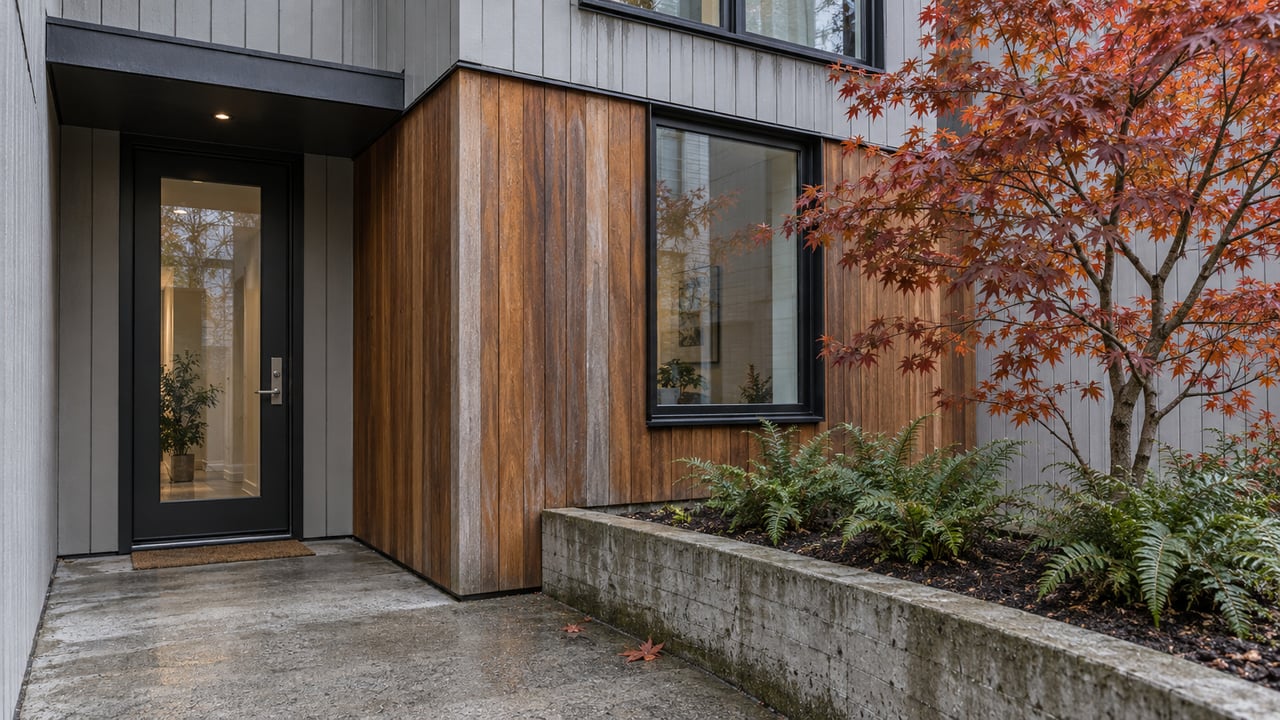
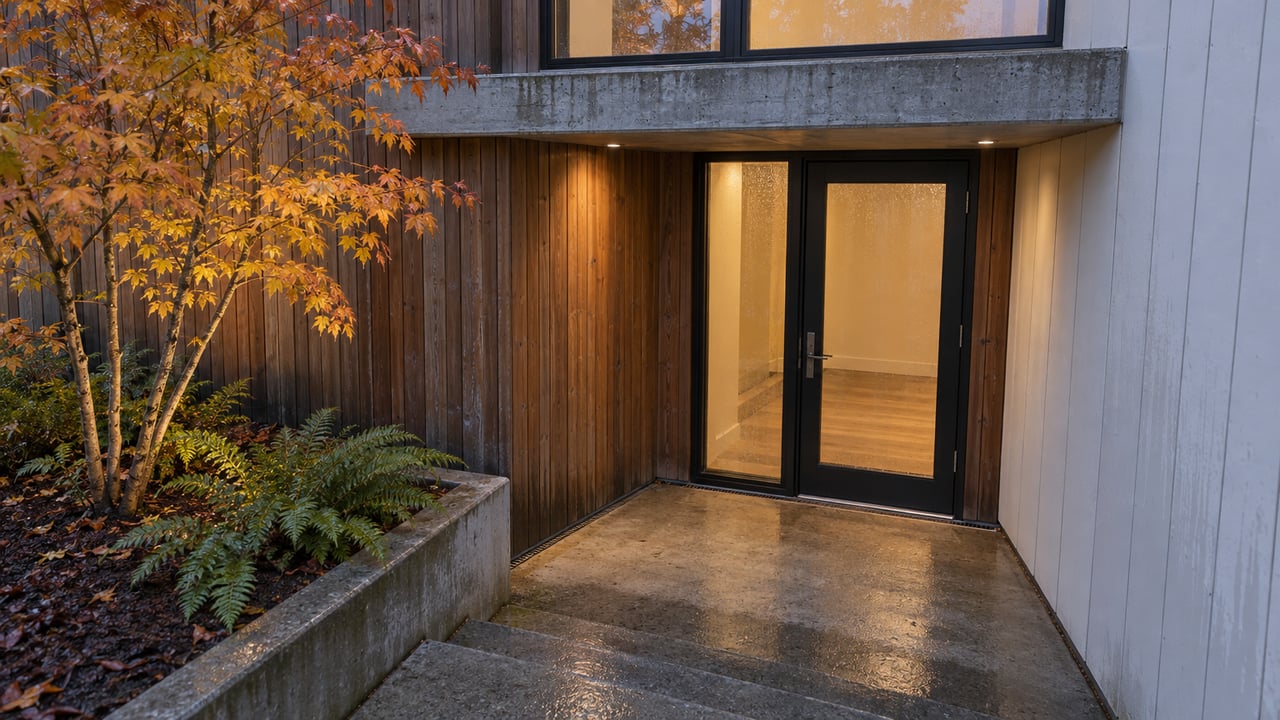
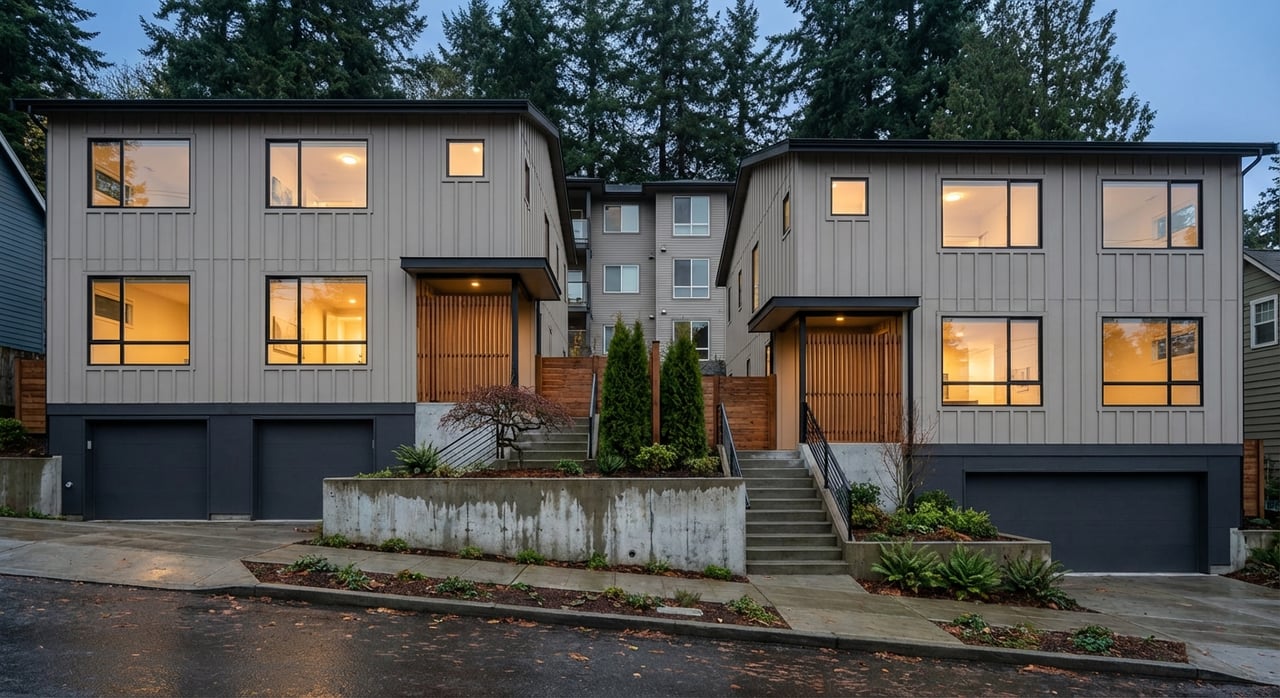
Upper Queen Anne reads as classic Seattle residential. You will find historic single-family homes such as Queen Anne and Craftsman styles, along with small apartment buildings and steady townhome infill that respects the neighborhood scale (Queen Anne Historical Society). Streets are tree-lined and walkable, with a main retail spine along Queen Anne Avenue North where cafés, bookstores, and boutiques cluster.
Expect short blocks, stair connections, and some steep grades between streets. Pocket parks and major viewpoints add daily charm. The overall feel is quieter and more neighborhood focused, with more yards and private outdoor space than you typically see at the base of the hill.
What Lower Queen Anne/Uptown feels like
Lower Queen Anne, also called Uptown, is livelier and more urban. Housing skews toward mid-rise condos and apartments with ground-floor restaurants and retail. Townhomes and a few single-family homes appear in the mix, but condos and apartments dominate, and the area shows a strong renter share (Homes.com neighborhood snapshot).
Daily life here orbits Seattle Center’s amenities, from the Armory food options to museums and theaters (Seattle Center overview). Climate Pledge Arena drives sports and concert nights that boost foot traffic and parking demand on event days (Climate Pledge Arena background). If you like being close to shows and dining, Uptown puts you in the middle of it.
Commute, transit, and getting around
For a quick hop downtown, the Seattle Center Monorail connects Seattle Center in Uptown to Westlake in just a short ride, with frequent headways that make it a standout convenience for a downtown-edge neighborhood (arena EIS and monorail travel details). RapidRide D and several King County Metro routes also run through the corridor, keeping Uptown well linked to Downtown, Interbay, and Ballard (RapidRide D Line overview).
From the hilltop, plan on a roughly 15 to 25 minute walk to Seattle Center or Downtown depending on route and slopes. Driving is quick outside peak periods, but rush-hour congestion and arena events can add time. Test your commute at the hours you expect to travel to set real expectations (Queen Anne commute context).
Home types and price ranges
Here is how prices typically stack up, with figures summarized from neighborhood pages. Always verify current numbers before you write an offer.
- Condos in Lower Queen Anne: roughly $350k to $800k depending on size, building, and views. Many 1-bedrooms cluster in the mid-to-upper $300s; 2-bedrooms often land near the $600k range. Source: Homes.com neighborhood pages, pulled Feb 2026 (Lower Queen Anne snapshot).
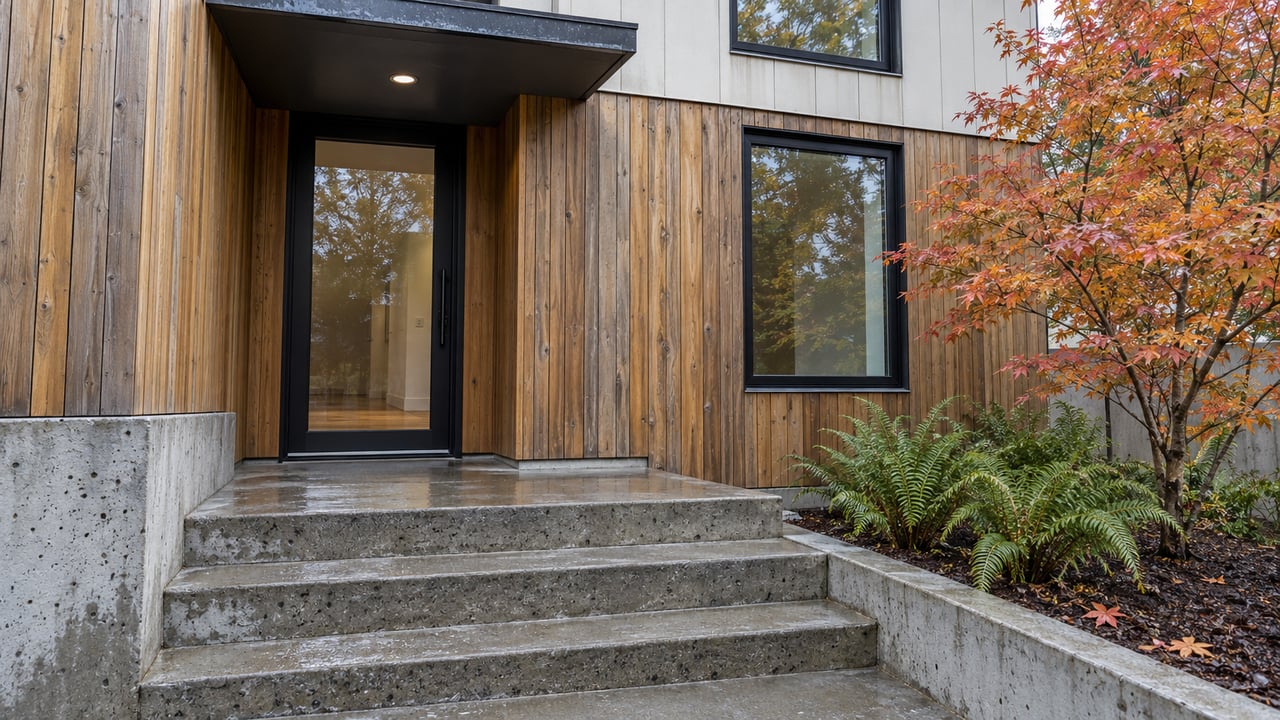
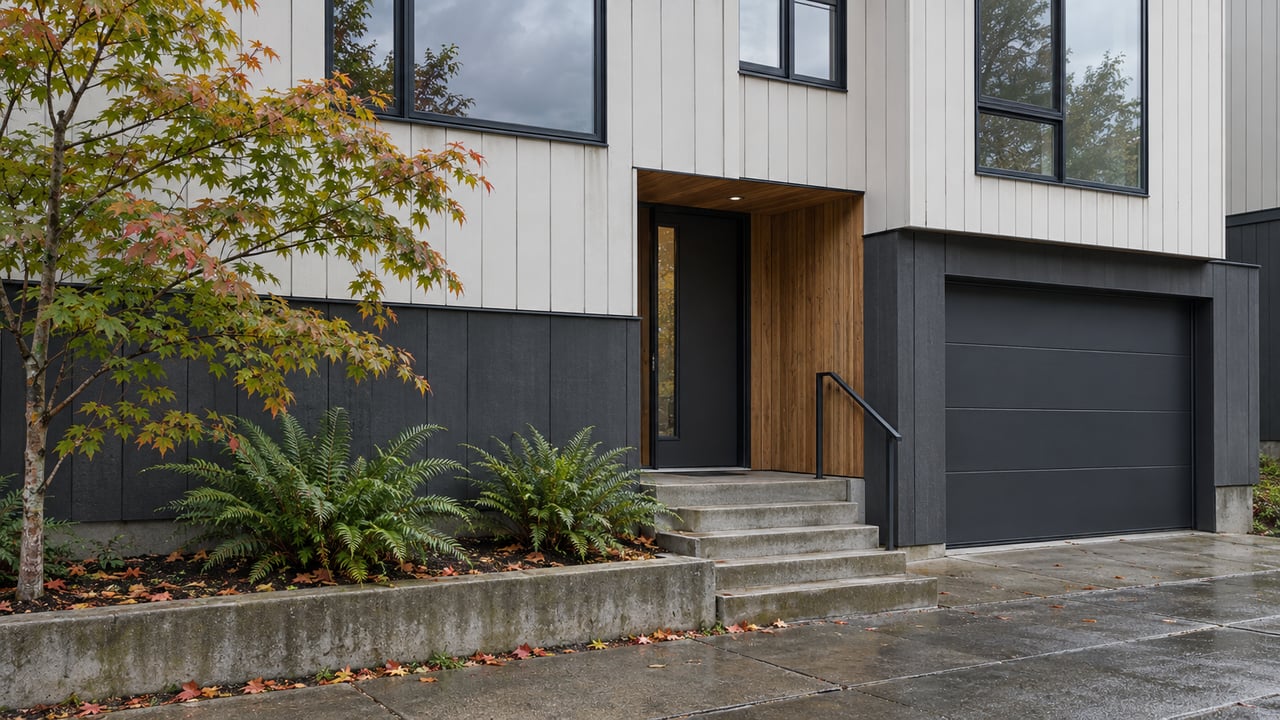
- Townhomes across Queen Anne: commonly $800k to $1.6M depending on location and size, with many new builds in the $900k to $1.2M band. Source: Homes.com neighborhood pages, pulled Feb 2026 (East Queen Anne context).
- Single-family homes on Upper Queen Anne: often $1M to $3M+, with views and lot size driving the upper end. Recent local context places single-family medians on the upper hill in the mid-$1.4M range. Source: Queen Anne market overview, pulled Feb 2026 (local broker context).
Across the city, recent condo market recaps show a citywide median near the mid-$500s as of December 2025, which helps frame Queen Anne’s condo segment in context (Seattle condo market recap).
Which side fits your goals
- If you want quieter streets, a yard, and a neighborhood retail strip: focus on Upper Queen Anne. You will trade a bit more uphill walking for more space and a classic residential feel (Queen Anne Historical Society).
- If you want to be steps from shows and restaurants with quick one-seat access downtown: focus on Lower Queen Anne/Uptown. The monorail and frequent bus service make daily trips simple, and events become part of your routine (monorail and transit context, RapidRide D Line).
- If you are thinking about rental demand and investor potential: Lower Queen Anne’s larger condo inventory and renter base offer options for future leasing, subject to HOA rules and building policies (Lower Queen Anne renter share context).
Parking, pets, and building rules
Upper Queen Anne homes are more likely to include garages or driveways, which is helpful if you own a car. In Lower Queen Anne, many condos rely on assigned garage stalls or street parking, so confirm parking rights before you offer. Event nights around Seattle Center can make neighborhood circulation busier, so plan for that if you need to drive regularly (Queen Anne parking and access context).
For condos, review HOA documents for pet policies, rental caps, and any short-term rental restrictions. These rules can shape both your lifestyle and your long-term flexibility.
Resale and long-term outlook
Uptown is a designated urban center in city planning and is expected to absorb future growth through targeted rezones and added density. That can support a healthy retail mix and steady housing demand over time, especially for condo buyers and investors who value transit access (Uptown Urban Center rezone FEIS). On the upper hill, historic character, views, and single-family zoning help support long-term value for well-located homes with strong outlooks and lot attributes (Queen Anne Historical Society).
How to choose: a quick checklist
- List your top three priorities: space, walkability to events, commute time, or views.
- Tour both areas at different times: a quiet weekday morning, an arena event evening, and a late-night weekend.
- Test your commute door to door and sample the monorail if Downtown access matters.
- For condos, compare HOA fees, pet rules, rental caps, and parking rights side by side.
- If schools are a factor, verify current public school assignment maps before you decide. Neighborhood school access is a common consideration for buyers on the upper hill (Queen Anne school context).
Ready to compare homes on the ground?
When you want data you can trust and a calm plan for winning the right home, work with a local advisor who pairs analytics with hands-on service. Brad Hinckley brings valuation expertise, neighborhood insight, and a step-by-step offer strategy that helps you move forward with confidence.
FAQs
What is the difference between Upper Queen Anne and Lower Queen Anne/Uptown?
- Upper Queen Anne sits on the hilltop and upper slopes with more single-family homes and a quieter retail core, while Lower Queen Anne/Uptown at the base is denser, more urban, and centered on Seattle Center’s amenities (KIRO 7 on naming, Seattle Center overview).
Are homes more expensive on Upper Queen Anne than in Uptown?
- Single-family homes are concentrated on the upper hill and often trade higher than the condo-heavy lower area. Condos in Uptown commonly range from about $350k to $800k, while upper-hill single-family homes often span $1M to $3M+. Source: Homes.com and local market context, pulled Feb 2026 (Lower Queen Anne snapshot, local broker context).
How is the commute from Lower Queen Anne to Downtown Seattle?
- The Seattle Center Monorail provides a short, frequent ride to Westlake, and RapidRide D plus multiple bus routes add options. Many residents find Uptown-to-Downtown access faster than in other neighborhoods at the city’s edge (monorail details, RapidRide D Line).
Will I get better views in Upper Queen Anne?
- Yes. Upper Queen Anne’s top and south or west slopes include well-known viewpoints like Kerry Park, and many homes there capture skyline and water views that command premiums (Queen Anne Historical Society).
Is Lower Queen Anne noisier because of Climate Pledge Arena?
- Event days bring more activity, traffic, and crowds. Many residents enjoy the access to sports and concerts, while noise-sensitive buyers often target quieter side streets or upper-hill locations (arena background).