Thinking about selling in Green Lake but not sure when you’ll get the best result? You’re not alone. Timing can influence buyer traffic, days on market, and your final sale price, especially in a neighborhood where lifestyle amenities drive demand. In this guide, you’ll learn how Green Lake’s seasonality works, how to choose between a winter “soft-launch” and a spring “peak” debut, and how to build a prep timeline that fits your goals. Let’s dive in.
Why timing matters in Green Lake
Green Lake is a walkable, in-city Seattle neighborhood with a mix of single-family homes, older bungalows, townhomes, and a large condo base. Proximity to the lake, nearby commercial districts, and transit attracts both owner-occupants and investors. That means demand is steady, yet timing still shapes how quickly you sell and the attention your listing gets.
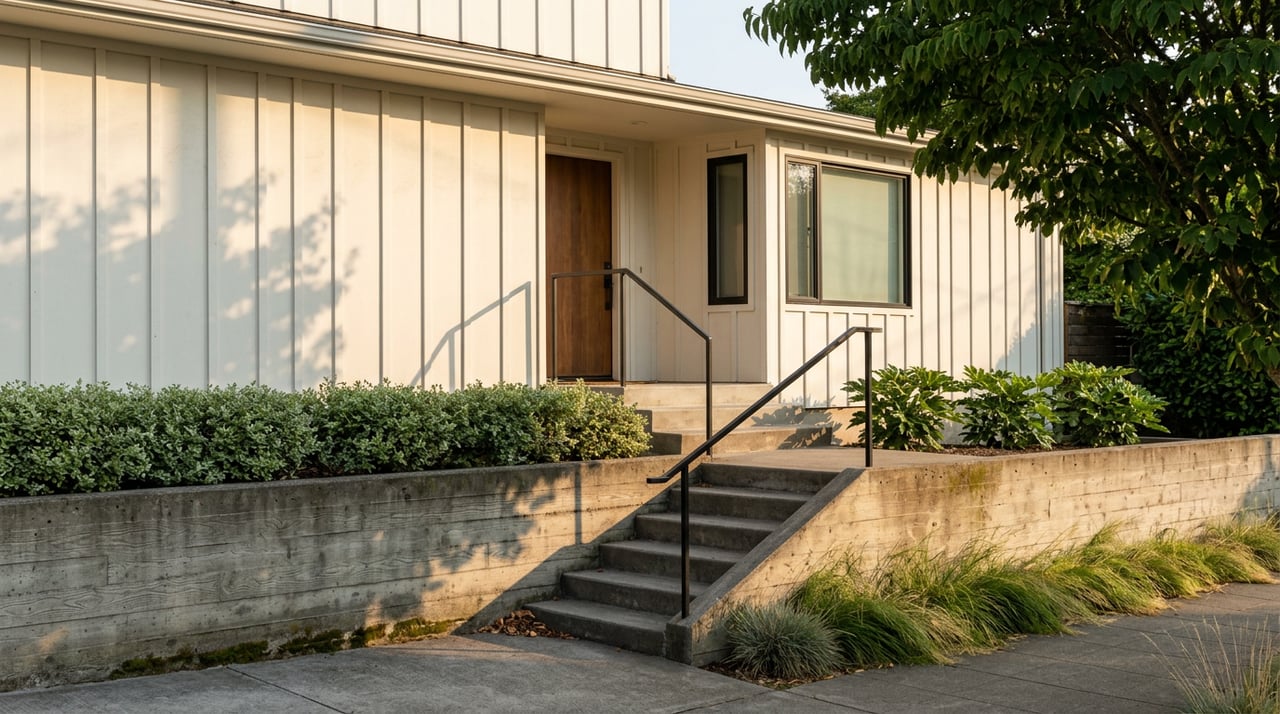
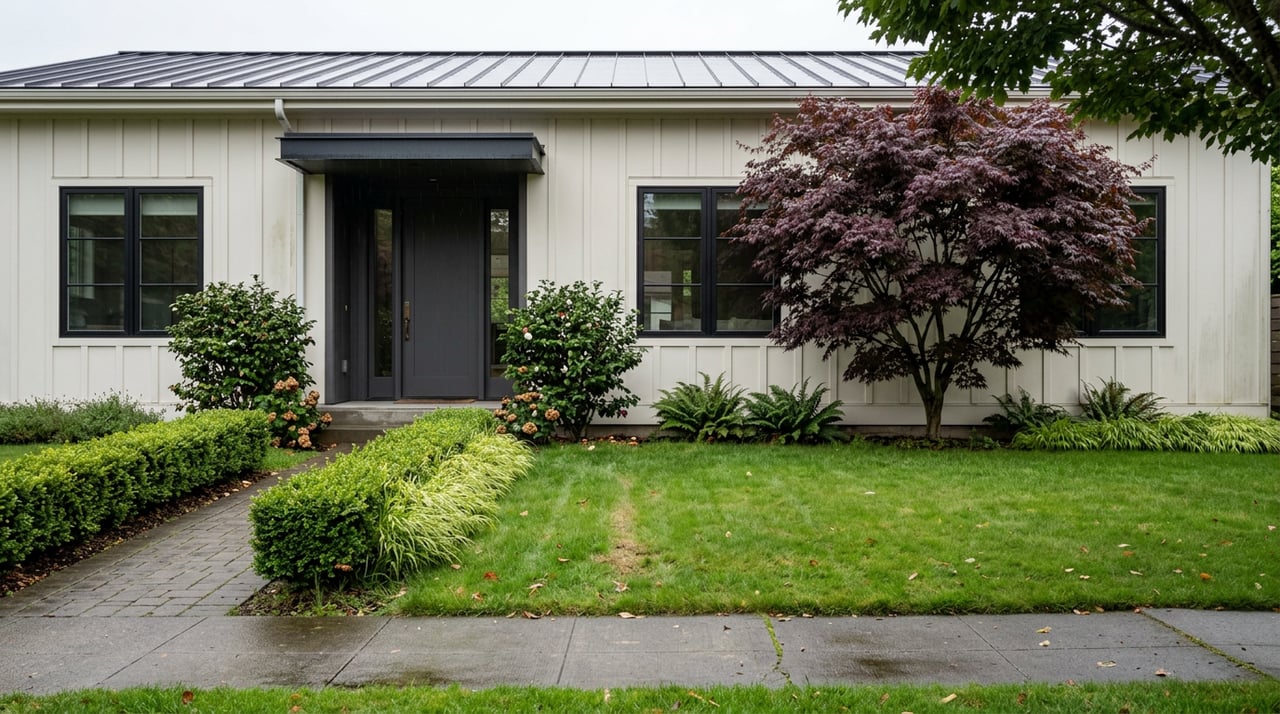
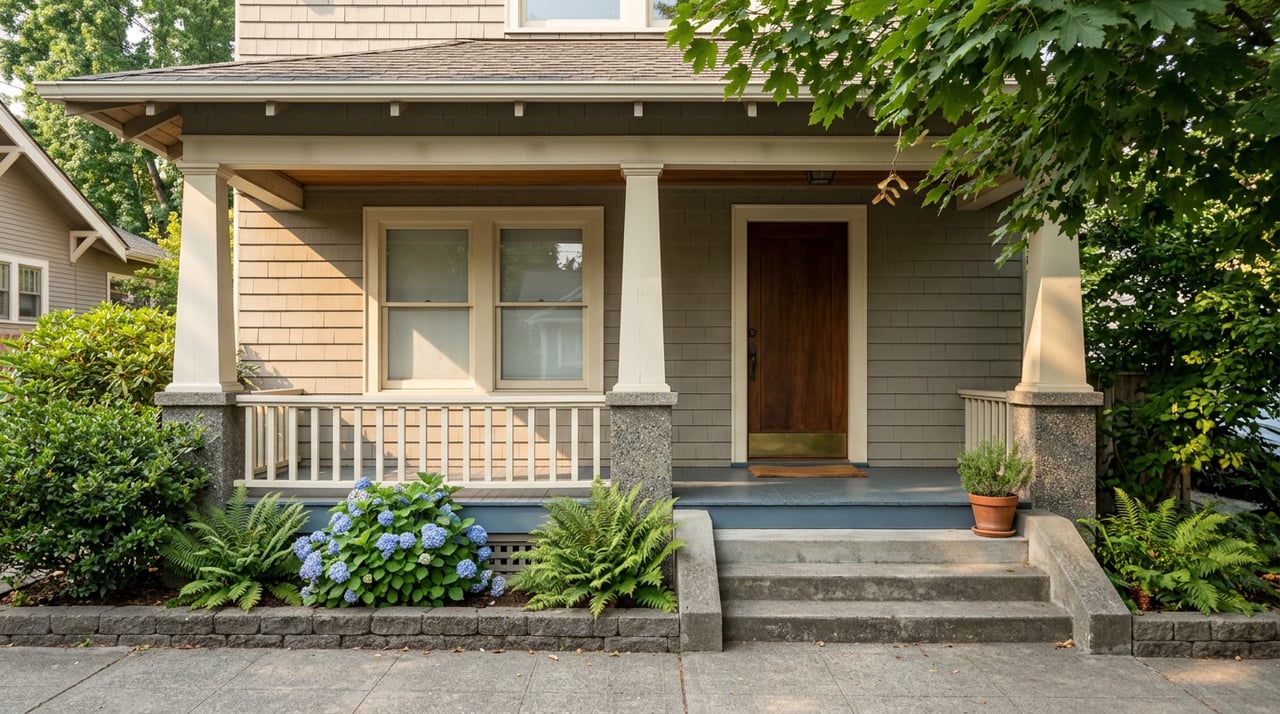
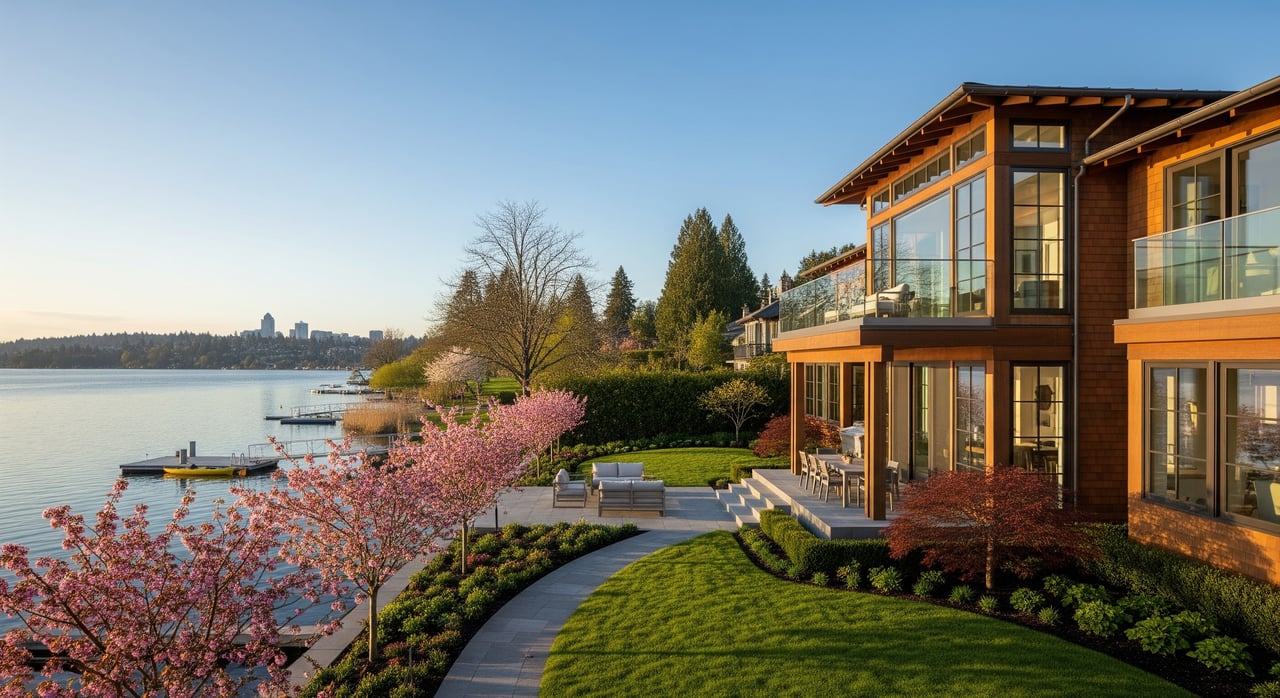
Because Green Lake is amenity-driven and central, it often tracks broader Seattle and King County seasonality. Well-presented homes can turn faster and draw stronger interest than similar homes in less central areas. Curb appeal and photos matter here. Longer spring days, blooming landscaping, and brighter skies can lift first impressions compared to winter’s darker, wetter weeks.
What Green Lake seasonality looks like
While you should verify specifics with current MLS data, Green Lake typically follows these patterns:
- Spring peak (March to June). This window often brings the most new listings and the most buyers. Days on market tend to shorten. Sale-to-list price ratios commonly improve, especially for move-in-ready homes and desirable condos.
- Early summer (June to July). Activity remains solid and can hold spring’s momentum. If spring competition gets heavy, early summer can be a smart alternative.
- Late summer to fall (August to November). Activity cools. You might see slightly longer days on market and more selective buyer behavior.
- Winter (December to February). Fewer listings and fewer buyers, but the buyers who are out are often motivated. Lower competition can help the right property stand out, especially with strategic pricing and polished presentation.
Property type matters too. Single-family homes often see sharper spring peaks. Condos can have steadier interest across the year. Your best timing may shift based on the property’s condition, price tier, and how many comparable homes you’ll compete against.
Pick your launch: winter vs. spring
Winter soft-launch
A winter soft-launch means listing or running limited pre-market activity between December and February. You might favor private showings, fewer open houses, and a more controlled schedule.
- Pros: Lower competition, motivated buyers, quieter showing schedule. Pricing attractively can jump-start offers.
- Risks: Fewer buyers overall, weather can dull exterior photos, and days on market can stretch if demand is thin.
- Best for: Sellers who need to move within 30 to 60 days, or properties with a unique feature set that stands out regardless of season.
Spring peak launch
A spring peak launch targets March through May to capture the most buyer traffic and stronger sale-to-list dynamics.
- Pros: More buyers, shorter market times, improved price pressure when you present well and price strategically.
- Risks: More competition. You need standout presentation, calibrated pricing, and tight execution to win attention.
- Best for: Move-in-ready homes and well-staged condos that can shine in photos and showings.
Quick decision checklist
Use these four checkpoints to choose your path:
- Urgency. Need to sell within 30 to 60 days? A winter soft-launch can work with competitive pricing. Can you wait 2 to 4 months? Target a spring debut for maximum exposure.
- Condition. If your home is market-ready, spring often maximizes price. If it needs improvements, use winter to prep and hit spring peak polished and photo-ready.
- Competition. If winter inventory is thin and your home is desirable, a soft-launch may secure the result you want. If spring inventory is lighter than usual but buyers surge, lean into spring.
- Lifestyle. Prefer fewer showings and a quieter process? Winter can suit your schedule. Want strong momentum and potential bidding? Spring is your season.
Prep timeline that fits your goal
Match your prep plan to your property and target launch.
- Basic prep (2 to 4 weeks). Declutter and deep clean, touch-up paint, refresh fixtures, and tidy landscaping. Schedule photography after staging. This is ideal if your home is already in good shape and you want a faster timeline.
- Moderate prep (4 to 8 weeks). Paint, minor repairs, flooring refresh, small kitchen or bath updates, and full staging rental. Consider a pre-listing inspection to address easy wins before you go live.
- Extensive prep (8 to 12+ weeks). Structural or systems work, larger updates, full interior staging, and a landscaping overhaul. If exterior work is needed, try to avoid the rainiest weeks to protect quality and make photos shine.
Photography and marketing logistics
- Aim for a dry, bright day to capture exteriors at their best. Expect lower natural light in winter; professional lighting and editing can still deliver strong results.
- Consider twilight photography to showcase lake and skyline appeal, often most effective in spring and early summer.
- Use virtual tours and floor plans year-round. If you plan drone shots, confirm local rules before scheduling.
Seasonal exterior checklist
- Remove moss, clean gutters, edge lawns, and prune shrubs. Add winter-tolerant container plants when needed.
- Inspect for any salt or de-icer impact as you move into early spring.
- Highlight access to Green Lake paths and nearby amenities in copy and visuals when weather cooperates.
Pricing and market signals to watch
Ask your agent for a neighborhood-level MLS snapshot for the last 2 to 3 years. Monthly data helps you time your move:
- New listings and closed sales counts
- Median sale price
- Median days on market and days to pending
- Sale-to-list price ratio
- Active inventory and months of supply
- Pending ratio or sell-through rate
- Property-type splits, such as single-family versus condo trends
Compare Green Lake to citywide Seattle and King County to see if the neighborhood is outperforming or lagging. For context when reading the data:
- Under 3 months of supply is commonly a seller-leaning market.
- Three to 6 months is often balanced.
- Over 6 months tends to lean toward buyers.
When you interpret seasonality, lean on multi-year averages to smooth unique events. Spring surges can arrive earlier in hot years or stretch longer when demand stays strong. A precise pricing strategy, anchored by similar homes and current pendings, is more reliable than any single seasonal rule.
Compliance and disclosure essentials
- Washington sellers must provide a property condition disclosure. If you are selling a condo, plan to provide association documents to buyers.
- If you want to use a “coming soon” approach or any pre-market tactic, confirm current MLS rules before you start. Policies evolve and compliance is essential.
- Coordinate with your agent and title team to ensure you use the most up-to-date forms and disclosures.
Action plan for Green Lake sellers
- Get a data check. Request a 90-day Green Lake market snapshot and a 2 to 3-year monthly trend view. Ask for single-family and condo breakouts if relevant.
- Choose your path. Decide between a winter soft-launch or a spring peak based on urgency, condition, competition, and convenience.
- Start prep now. Pick the 2 to 4, 4 to 8, or 8 to 12+ week plan. Book contractors early so you are not delayed by seasonal backlogs.
- Dial in presentation. Stage strategically, refresh paint and flooring where it counts, and plan for professional photos and a polished digital brochure.
- Watch live signals. Track active and pending comps, days to pending, and sale-to-list ratios in the weeks before you launch. Adjust pricing and marketing to match.
- Go live with intent. Use open houses, private tours, and targeted digital outreach aligned with your chosen strategy.
When you want a calm, data-driven process and hands-on leadership, partner with a local advisor who blends analytic pricing, professional presentation, and negotiation skill. If you’re ready to map the best timing and plan your prep, connect with Brad Hinckley for a custom, neighborhood-specific strategy.
FAQs
Will listing in winter reduce my sale price in Green Lake?
- Winter brings fewer buyers and longer market times on average, but motivated buyers still transact; strong presentation and strategic pricing can deliver solid outcomes.
How long should I plan before listing my Green Lake home?
- Use the 2 to 4, 4 to 8, and 8 to 12+ week prep paths, and add time for permits or contractor scheduling when larger updates are needed.
Should I use a “coming soon” strategy in Seattle?
- It can help build early interest, but you must follow current MLS rules; discuss benefits and compliance with your agent before you start.
Is staging worth it for Green Lake listings?
- Yes, staging typically shortens days on market and supports stronger pricing, especially during the competitive spring season.
Does property type change the best time to sell?
- Often yes; single-family homes tend to benefit more from spring peaks, while condos can see steadier demand across the year.